

Issaquah Homes & Condominiums for Sale: Your Complete Neighborhood Guide
From the historic charm of Olde Town to the waterfront serenity of South Lake Sammamish and the modern convenience of Talus, discover why Issaquah is the Eastside's hidden gem for luxury living.
Freddy Delgadillo | 25+ Years Eastside Expertise | 240 Condominiums Sold at Sonoma Villero | 9 Professional Certifications
Search Issaquah Properties NowExplore Issaquah Neighborhoods
Jump directly to your preferred community or scroll to explore all eight neighborhoods
Talus
Modern living for tech professionals with new construction and smart home features
South Lake Sammamish
Premier waterfront living with South Cove beach access and Sammamish Beach Club.
Downtown Issaquah
Historic charm meets walkable urban living with boutique shops and farm-to-table dining
Issaquah Highlands
Master-planned community with walkable Village Center and mountain views
Montreux
Gated luxury estates with golf course views and ultimate privacy
Klahanie
Established family community with parks, schools, and neighborhood shopping
North Issaquah
Accessible entry point with excellent value and strong schools
Providence Point
Active adult 55+ community with low-maintenance living and social amenities
Or explore our comprehensive neighborhood comparison
View Neighborhood Comparison MatrixWhy Choose Issaquah? Mountains, Community & Opportunity
Nestled at the base of the Cascade foothills, Issaquah offers a rare combination of natural beauty, top-tier schools, and vibrant community culture that sets it apart from other Eastside cities. With the iconic Tiger Mountain as your backdrop and Lake Sammamish at your doorstep, you'll experience outdoor recreation that rivals resort destinations—without leaving home.
The Issaquah School District consistently ranks among Washington State's best, drawing families who prioritize education alongside lifestyle. From Issaquah High School's award-winning programs to Grand Ridge Elementary's innovative curriculum, your children will thrive in schools that blend academic excellence with outdoor learning opportunities. Parents appreciate the district's commitment to personalized education, small class sizes, and community involvement that creates lasting connections.
Issaquah's strategic location along the I-90 corridor puts you just 20 minutes from Bellevue's corporate campuses and 30 minutes from downtown Seattle, making it a favorite among tech professionals working at Microsoft, Amazon, and Meta. Yet the moment you exit the freeway, you're transported to a small-town atmosphere where Salmon Days Festival draws 200,000 visitors each fall, local farmers markets showcase regional bounty, and historic Front Street invites evening strolls past boutique shops and farm-to-table restaurants.
The city's trail system connects neighborhoods to wilderness in minutes. Hike Tiger Mountain's 13 miles of trails before breakfast, mountain bike Duthie Hill's flow trails during lunch, or kayak Lake Sammamish after work. This isn't just proximity to nature—it's integration with it. Issaquah residents don't drive hours to find adventure; they walk out their front doors.
Whether you're drawn to the walkable charm of Olde Town, the waterfront lifestyle of South Lake Sammamish, the modern convenience of Talus, or the master-planned community of Issaquah Highlands, you'll find neighborhoods that match your vision of home. As Issaquah continues to grow thoughtfully—balancing development with preservation—early buyers are discovering that this city offers something increasingly rare: authentic community in a world-class location.
Let me guide you through Issaquah's eight distinct neighborhoods, each offering unique character, amenities, and opportunities. With 25 years of Eastside expertise and 250+ successful transactions, I'll help you find not just a house, but the perfect fit for your lifestyle and investment goals. Explore available Issaquah properties here.
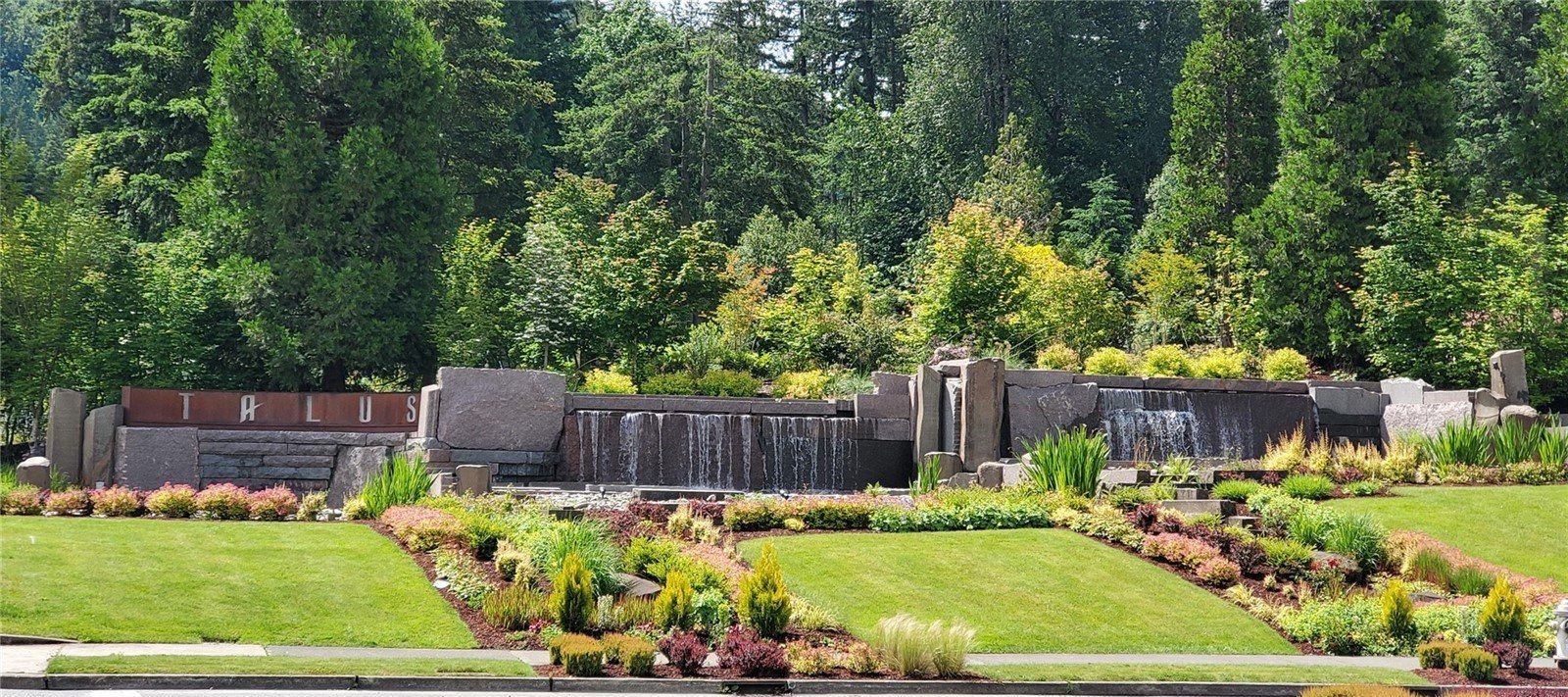
Talus: Modern Living for Seattle's Tech Corridor
Talus represents Issaquah's answer to the modern professional's lifestyle demands: proximity to major tech campuses, contemporary home design, and a community built for the way people actually live today. Located in the northwest corner of Issaquah, this newer neighborhood has become the go-to choice for Microsoft, Amazon, and tech workers seeking a refuge from urban density without sacrificing commute efficiency.
Strategic Location & Commute Advantage
Talus sits just off I-90 Exit 18, positioning you 15 minutes from Microsoft's Redmond campus, 20 minutes to Bellevue's Spring District tech hub, and 25 minutes to downtown Seattle. This isn't theoretical commute time—it's the reality for residents who've timed their drives during peak hours. The neighborhood's access to the I-90 express lanes means reverse-commute flexibility, and proximity to the Mountains to Sound Greenway Trail offers car-free cycling routes for those working hybrid schedules.
Unlike older Eastside neighborhoods where tech workers squeeze into homes built for different eras, Talus was designed with the modern professional in mind. Home offices aren't afterthoughts—they're dedicated spaces with proper lighting, electrical capacity for multi-monitor setups, and soundproofing that actually works. Garage capacity for electric vehicles came standard before it was trendy, and fiber optic infrastructure supports the bandwidth demands of video conferencing and cloud collaboration.
Contemporary Architecture & Smart Home Integration
Construction in Talus spans primarily 2010 to present, meaning you're buying homes with modern building codes, energy-efficient systems, and floor plans that reflect how families actually use space. Open-concept great rooms flow to covered outdoor living areas, gourmet kitchens feature islands sized for both meal prep and laptop work, and primary suites offer spa-like retreats with soaking tubs and walk-in closets that rival boutique dressing rooms.
Smart home technology integrates seamlessly in newer Talus homes. Nest thermostats, Ring doorbells, automated lighting systems, and whole-home audio aren't retrofits—they're built into the infrastructure. Homes constructed in the past five years often include solar panel pre-wiring, EV charging infrastructure, and battery backup systems that appeal to environmentally conscious buyers who want sustainability without sacrifice.
Community Amenities & Lifestyle Appeal
The Talus community centers around outdoor recreation and family connection. Pocket parks dot the neighborhood with playgrounds designed for multiple age groups, while walking trails connect to broader Issaquah trail systems. The nearby Mountainaire development adds retail convenience—grocery stores, coffee shops, and restaurants are walkable rather than requiring car trips for every errand.
Schools serving Talus include some of Issaquah School District's newest facilities. Sunny Hills Elementary offers innovative learning spaces and outdoor classrooms, while Maywood Hills Elementary and Pine Lake Middle School provide continuity through the education journey. Many Talus families choose these schools specifically for their commitment to STEM education and technology integration—a natural fit for households where parents work in tech.
Home Styles & Investment Outlook
Talus offers primarily single-family homes ranging from 2,200 to 4,000 square feet, with price points typically between $900,000 and $1,600,000 depending on lot size, views, and finishes. You'll find craftsman-inspired exteriors, modern farmhouse designs, and contemporary architecture—all built to Northwest aesthetic sensibilities that blend with the natural landscape.
Lot sizes range from 5,000 to 10,000 square feet, providing yards large enough for children's play structures, vegetable gardens, and outdoor entertaining without the maintenance burden of acreage properties. HOA fees remain modest (typically $50-$100 monthly) covering common area landscaping and neighborhood amenities, giving you the community benefits without the condo-level assessments.
From an investment perspective, Talus benefits from being relatively young—homes built in the 2010s and 2020s won't require major system replacements for years. Roofs, HVAC systems, water heaters, and appliances all have decades of useful life remaining, reducing the immediate capital improvement burden that buyers face in older neighborhoods. This predictability appeals to first-time luxury buyers and relocating professionals who want move-in readiness.
Who Thrives in Talus?
Talus attracts young families with dual-income professionals, typically in their 30s and 40s, who prioritize modern convenience over historic charm. These buyers want new construction quality without the custom-build timeline, proximity to work without urban density, and family-friendly amenities without sacrificing adult sophistication. You'll find neighbors who work at Microsoft, Amazon, and Tableau, creating a community of shared professional experiences and similar life stages. If you value efficient commutes, contemporary design, and a community built for 21st-century lifestyles, Talus deserves serious consideration.
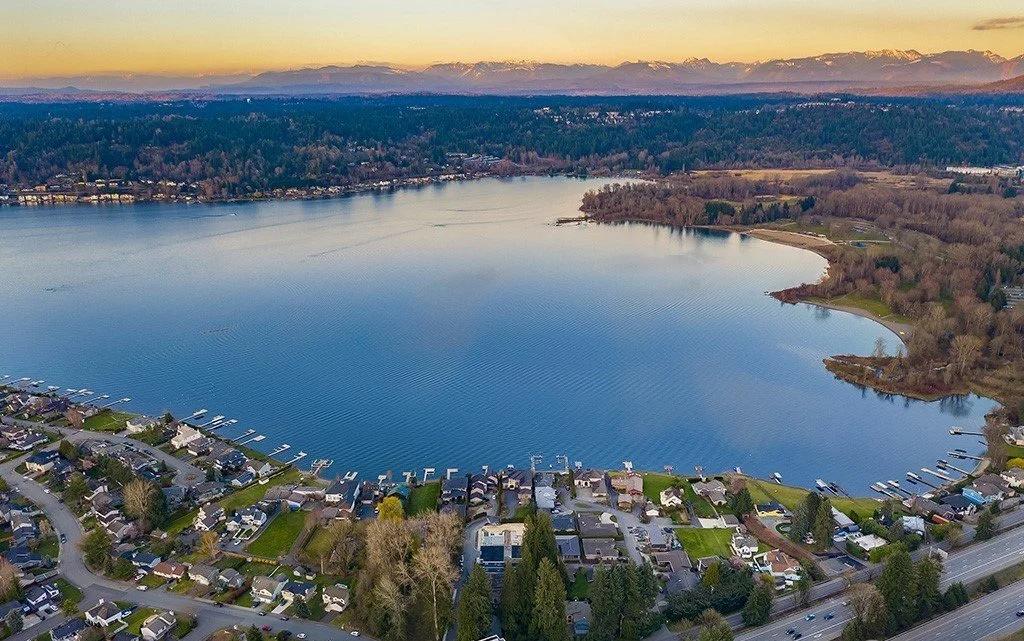
South Lake Sammamish: Waterfront Living & Family Recreation
The southern shores of Lake Sammamish represent some of Issaquah's most coveted real estate, where families wake to sunrise over water and spend summer evenings paddleboarding from their own beaches. This waterfront corridor blends the recreational lifestyle of lakefront living with the practical convenience of Issaquah's schools, shopping, and I-90 access—a combination that's increasingly rare on the Eastside as waterfront inventory disappears.
South Cove: Issaquah's Premier Waterfront Enclave
The South Cove area anchors this neighborhood with a collection of waterfront homes and close-proximity properties that capitalize on Lake Sammamish access without requiring waterfront price tags. Here you'll find a mix of single-family homes with private docks, properties with deeded beach access through community associations, and residences just blocks from public launch points at Tibbetts Beach Park.
True waterfront homes in South Cove command premium pricing—typically $2,000,000 to $4,000,000 depending on lot size, dock configuration, and views. These properties offer private beaches, boat lifts, and unobstructed westward views toward the Cascade foothills. But the smart money often looks to homes within a few blocks of the water, where prices drop to $1,200,000 to $1,800,000 while still providing easy lake access and the waterfront lifestyle without the waterfront property taxes.
The Sammamish Beach Club serves as the social hub for many South Lake Sammamish residents, offering membership opportunities for swimming, kayaking, paddleboarding, and summer gatherings. Families who don't own waterfront property often join the club to access private beach areas, swimming docks, and organized water activities throughout the summer season. This creates a community within the community—neighbors who recognize each other from beach barbecues and Fourth of July celebrations.
Lake Sammamish Lifestyle: Beyond the Beach
Lake Sammamish isn't just scenery—it's an active part of daily life for South Lake Sammamish residents. Spring mornings bring stand-up paddleboarders gliding past private docks, summer afternoons see families launching kayaks from Tibbetts Beach, and fall evenings feature anglers casting for trout and bass as the sun sets behind the Cascades.
The East Lake Sammamish Trail runs along the eastern shore just across the water, but South Lake Sammamish residents access the southern terminus where the trail connects to Issaquah's network of walking and cycling paths. This creates car-free recreation options—bike to Issaquah's brewpubs for lunch, run the trail for morning exercise, or simply walk to the lake for sunset viewing without ever starting your engine.
Tibbetts Beach Park serves as the public gathering point, offering swimming areas, picnic shelters, and boat launch facilities. Summer concerts at the park draw neighbors from throughout Issaquah, creating the small-town festival atmosphere that makes this city feel more like a community than a suburb. Children spend entire days at the beach while parents rotate supervision duties, building the kind of neighborhood relationships that used to be common but are increasingly rare.
Schools & Family Appeal
South Lake Sammamish sits within the Issaquah School District's boundaries, giving families access to top-rated schools like Apollo Elementary, Beaver Lake Middle School, and Issaquah High School. The district's environmental science programs particularly resonate in this neighborhood—children learn about lake ecosystems, watershed management, and outdoor education with their own backyard serving as the laboratory.
The neighborhood attracts families who prioritize outdoor recreation alongside academic excellence. Parents here aren't choosing between nature and education—they're getting both. Kids learn to swim in the lake before they learn to ride bikes, they paddleboard to friends' houses in summer, and they understand seasonal changes through direct observation of migrating waterfowl and spawning salmon.
Home Styles & Architecture
Housing stock in South Lake Sammamish varies dramatically based on proximity to water. Waterfront properties tend toward custom-built homes from the 1980s through present day, ranging from 3,000 to 6,000 square feet with expansive windows, multi-level decks, and architectural designs that maximize lake views. These homes often feature great rooms with floor-to-ceiling glass, gourmet kitchens that open to outdoor entertaining spaces, and primary suites with private balconies overlooking the water.
Non-waterfront homes in the neighborhood typically range from 2,200 to 4,000 square feet, built in the 1970s through 2000s. Many have been updated with modern kitchens, renovated bathrooms, and refinished outdoor spaces, offering move-in readiness at prices more accessible than true waterfront. Lot sizes tend toward 8,000 to 15,000 square feet, providing room for gardens, play structures, and outdoor living without the acreage maintenance demands.
Investment Perspective & Market Trends
Waterfront property on Lake Sammamish appreciates differently than inland homes—scarcity drives value in ways that market cycles can't fully suppress. Only so many homes sit directly on the lake, and that inventory never increases. Families who buy waterfront in South Lake Sammamish typically hold for decades, treating these properties as legacy assets rather than short-term investments.
Close-proximity homes offer a different value proposition: lake access without the premium, appreciation potential as waterfront inventory tightens, and the ability to upgrade closer to the water as equity builds. Many buyers start in these "near-lake" properties, enjoy the lifestyle for 5-10 years, then upgrade to waterfront when financial circumstances allow.
Who Thrives in South Lake Sammamish?
This neighborhood attracts active families who view the lake as an extension of their living space, outdoor enthusiasts who want recreation at their doorstep, and buyers seeking a resort lifestyle without the resort price tag or tourist crowds. You'll find neighbors who kayak before breakfast, host lakeside gatherings on summer weekends, and measure seasons by water temperature rather than calendar dates. If you've dreamed of waterfront living but assumed it was out of reach, South Lake Sammamish offers multiple entry points to that lifestyle.
Downtown Issaquah: Historic Charm Meets Walkable Urban Living
Downtown Issaquah represents the city's historic heart—where century-old buildings house farm-to-table restaurants, boutique shops line brick-paved sidewalks, and residents walk to coffee shops, breweries, and farmers markets without ever starting their cars. This is Issaquah's answer to urban walkability without sacrificing small-town character, a neighborhood where historic preservation meets modern luxury living.
Front Street: The Soul of Downtown
Front Street serves as Olde Town's main artery, a pedestrian-friendly corridor where historic facades have been lovingly restored to house modern businesses. Start your morning at Issaquah Coffee Company, browse handmade goods at local boutiques, grab lunch at Fin Restaurant's patio overlooking Issaquah Creek, and end your evening with craft beer at Rogue Issaquah Public House. This isn't lifestyle marketing—it's how Olde Town residents actually spend their weekends.
The Issaquah Farmers Market transforms Gilman Boulevard every Saturday from May through October, drawing vendors from throughout the region. Residents shop for organic produce, artisan cheeses, and fresh-cut flowers without fighting for parking or navigating big-box grocery stores. This direct-to-consumer food culture creates connections—you know the farmer who grew your tomatoes, the baker who made your sourdough, and the cheesemaker who aged your cheddar.
Salmon Days Festival, held annually each October, transforms Downtown into a celebration that draws over 200,000 visitors. Residents host out-of-town family, children parade through streets in costume, and the community comes together in ways that feel increasingly rare in suburban America. Living in Downtown means being at the center of Issaquah's cultural calendar, where festivals aren't destinations—they're your neighborhood.
Walkability & Urban Convenience
Downtown Issaquah earns Walk Score ratings in the 70-85 range (Very Walkable to Walker's Paradise), making it one of the Eastside's most pedestrian-friendly neighborhoods. Residents walk to QFC for groceries, stroll to the library for weekend reading, and reach Issaquah High School on foot in under 15 minutes. This walkability isn't just convenient—it's transformative for lifestyle and health.
The neighborhood's compact layout means children can safely bike to school, walk to friends' houses, and navigate downtown independently once they reach middle school age. Parents appreciate the freedom this provides—kids gain autonomy without requiring constant car shuttling, and families reduce their dependence on vehicles for daily errands. In an era when suburban sprawl forces car-centric lifestyles, Olde Town offers an alternative.
Transit connectivity adds another dimension to Olde Town's accessibility. King County Metro bus routes serve downtown Issaquah with connections to Eastgate, Bellevue Transit Center, and beyond. While most residents own cars for weekend adventures and highway commutes, having public transit options reduces the two-car-household requirement and provides flexibility for single-car families.
Schools & Family-Friendly Infrastructure
Issaquah High School sits within easy walking distance of most Olde Town homes, making it the neighborhood of choice for families with teenagers who want independence without requiring constant parental transportation. The high school's performing arts programs, award-winning debate team, and competitive athletics draw students from across the district, but Olde Town residents simply walk to campus.
Younger children typically attend Clark Elementary or Briarwood Elementary, both accessible via walking routes through established neighborhoods. The schools' integration with community resources—library partnerships, downtown field trips, and local business mentorships—creates educational experiences that extend beyond classroom walls. Children learn about local history by visiting the Issaquah History Museums, study ecology along Issaquah Creek, and understand civic engagement through downtown community events.
Home Styles: Craftsman Heritage & Modern Infill
Downtown housing stock tells the story of Issaquah's evolution. Original Craftsman homes from the 1920s-1940s have been meticulously restored, featuring hardwood floors, built-in cabinetry, and covered front porches that encourage neighbor interaction. These homes typically range from 1,500 to 2,500 square feet on 5,000 to 8,000 square foot lots, offering character and charm that new construction can't replicate.
Modern infill development has added contemporary townhomes and luxury condominiums that blend with Olde Town's historic character while offering updated systems and finishes. These newer properties—built from 2000 to present—feature open floor plans, gourmet kitchens, and low-maintenance exteriors while respecting the neighborhood's architectural heritage through design guidelines that preserve visual continuity.
Townhomes in Downtown typically price between $650,000 and $950,000, offering walkable downtown access with HOA-maintained exteriors perfect for professionals who travel frequently or downsizers seeking simplicity. Single-family homes range from $800,000 to $1,400,000 depending on size, updates, and lot configuration. The premium reflects location—you're paying for the ability to walk to everything while maintaining privacy and outdoor space.
Outdoor Recreation: Trails Meet Town
Olde Town's location at the base of the Issaquah Alps means trailheads sit minutes from downtown addresses. Tradition Lake Trail offers family-friendly loops through forested wetlands, while Squak Mountain's more challenging routes provide morning workouts before breakfast. Residents transition from downtown coffee shops to mountain trails in less time than suburban commuters spend on morning drives.
Issaquah Creek runs through town, creating riparian corridors where salmon spawn each fall in urban waters. Children walk from school to watch chinook salmon navigate creek channels, learning environmental science through direct observation. The city's Salmon Hatchery sits within walking distance, offering educational programs that connect young residents to the ecosystem supporting their community.
Investment Outlook & Market Dynamics
Walkable neighborhoods with historic character appreciate differently than suburban subdivisions—they're supply-constrained by definition. Olde Town can't expand outward, and development regulations protect the historic core from incompatible construction. This scarcity supports long-term value, particularly as younger buyers increasingly prioritize walkability over square footage.
The neighborhood attracts multigenerational appeal—young professionals seeking urban amenities without Seattle prices, families wanting walkable schools and community connection, and downsizers trading suburban estates for low-maintenance homes in vibrant settings. This demographic diversity creates market stability; Olde Town doesn't depend on a single buyer profile.
Who Thrives in Downtown?
Downtown suits buyers who value community over square footage, walkability over acreage, and character over cookie-cutter construction. You'll find neighbors who know local shop owners by name, attend city council meetings to voice opinions on development, and measure quality of life by the ability to walk to dinner rather than drive to strip malls. If you've tired of car-dependent suburban living but aren't ready for downtown Seattle density, Downtown offers the middle path.
Issaquah Highlands: Master-Planned Living with Mountain Views
Perched on the hillsides east of downtown Issaquah, Issaquah Highlands represents one of the Pacific Northwest's most successful master-planned communities. Built from the late 1990s onward, this 2,000-acre development combines thoughtful urban planning with spectacular Cascade Mountain views, creating neighborhoods where families can walk to schools, parks, shops, and restaurants without sacrificing the space and privacy of single-family homes.
The Village Center: Community Hub & Commercial Heart
The Village Center anchors Issaquah Highlands with a pedestrian-oriented commercial district that feels more European plaza than American strip mall. Residents walk to Safeway for groceries, grab coffee at local cafés, dine at restaurants ranging from casual to upscale, and access professional services including banks, medical offices, and salons—all without driving. This creates a "15-minute neighborhood" where daily needs are met within a short walk from home.
Central Park sits adjacent to the Village, providing open green space for community events, outdoor concerts, and farmers markets. Summer evenings bring neighbors to the park for Movies in the Park, food truck gatherings, and holiday celebrations that create the small-town atmosphere many residents moved here to find. Children play in splash pads while parents socialize at nearby benches—the kind of spontaneous community interaction that master-planned design facilitates when done well.
Schools & Educational Excellence
Grand Ridge Elementary and Grand Ridge Middle School serve the Highlands community with facilities purpose-built for 21st-century education. Walking to school isn't just possible—it's common, with safe pedestrian pathways connecting neighborhoods to campuses. Parents appreciate the convenience of school proximity, while children gain independence through supervised walking groups and bike commutes.
The schools' integration with the broader community creates learning opportunities beyond traditional classrooms. Environmental science classes study wetland ecosystems in neighborhood preserves, business classes partner with Village Center merchants for real-world projects, and civic education happens through participation in community councils and neighborhood events. Education extends into daily life rather than remaining confined to school hours.
Trail System & Outdoor Recreation
Over 60 miles of trails wind through Issaquah Highlands, connecting neighborhoods to parks, schools, and open spaces while providing car-free recreation options. Residents run morning loops through forest preserves, bike to the Village for errands, and access Grand Ridge Trail for longer hiking expeditions—all starting from their front doors. This trail network isn't an amenity; it's transportation infrastructure that reduces car dependence and promotes active lifestyles.
The Highlands' elevation provides something most Eastside neighborhoods lack: views. Homes on the western slopes overlook Lake Sammamish, the Seattle skyline, and Olympic Mountains beyond. Eastern-facing properties capture sunrise over the Cascades, with Mount Rainier visible on clear days. These views aren't just pleasant scenery—they're daily reminders of the Pacific Northwest's natural majesty, visible from kitchen windows and backyard decks.
Home Styles & Architectural Diversity
Housing in Issaquah Highlands ranges from townhomes and condominiums to single-family homes and luxury estates, creating economic diversity within a unified community vision. Townhomes start around $600,000, offering low-maintenance living with Village access. Single-family homes typically range from $900,000 to $1,800,000 depending on size, views, and finishes, while premium view lots can exceed $2,000,000.
Construction spans from the late 1990s through present day, with newer phases incorporating increasingly sophisticated design and energy efficiency. Homes built in the past decade feature open floor plans, chef's kitchens with high-end appliances, primary suites with spa-like bathrooms, and outdoor living spaces designed for year-round use. Architectural guidelines ensure visual harmony while allowing individual expression, creating neighborhoods that feel cohesive without being monotonous.
HOA Benefits & Community Maintenance
The Issaquah Highlands Homeowners Association maintains common areas, trails, parks, and landscaping throughout the community. Monthly HOA fees (typically $150-$300 depending on neighborhood and home type) cover maintenance that would otherwise fall to individual homeowners, creating consistently well-maintained streetscapes and preserving property values through enforced standards.
For buyers accustomed to full autonomy over property decisions, HOA oversight can feel restrictive. But for those who value community aesthetics, predictable maintenance costs, and the assurance that neighbors won't paint houses bright purple or let yards deteriorate, the HOA provides peace of mind. It's a trade-off between individual freedom and collective standards—one that appeals to buyers seeking order and predictability.
Who Thrives in Issaquah Highlands?
The Highlands attracts families prioritizing top-rated schools within walking distance, professionals seeking community amenities without sacrificing home quality, and buyers who want new-construction features with established neighborhood character. You'll find neighbors who participate in community councils, volunteer for neighborhood events, and value the connections that master-planned design facilitates. If you want predictability, walkability, and mountain views in a family-friendly setting, Issaquah Highlands delivers consistently.
Montreux: Gated Luxury & Private Estate Living
Montreux stands apart from Issaquah's other neighborhoods through its commitment to exclusivity, privacy, and estate-scale living. This gated community, nestled in the foothills south of downtown Issaquah, offers some of the city's most prestigious addresses with custom-built homes on expansive lots, golf course frontage, and mountain views that stretch from the Cascades to Mount Rainier on clear days.
Privacy & Security Through Gated Access
Montreux's gated entry provides a level of privacy and security that appeals to executives, professionals, and families seeking separation from public thoroughfares. Controlled access limits traffic to residents and guests, creating quieter streets where children play freely and neighbors recognize unfamiliar vehicles. For buyers who've experienced property crimes or simply value the psychological comfort of controlled access, the gate represents peace of mind worth the premium.
The community's layout emphasizes privacy between homes despite relatively close proximity. Strategic landscaping, thoughtful lot orientation, and architectural guidelines ensure that neighbors enjoy views and outdoor space without feeling overlooked. You'll have the community benefits of knowing your neighbors while maintaining the private sanctuary that luxury buyers expect.
Estate Homes & Custom Architecture
Homes in Montreux typically range from 3,500 to 7,000 square feet, with custom-built designs that showcase individual taste rather than tract-home conformity. You'll find Mediterranean villas with terracotta roofs, Northwest contemporary homes with floor-to-ceiling glass, traditional estates with brick and stone facades, and modern masterpieces that push architectural boundaries. This diversity creates visual interest while maintaining cohesive luxury standards.
Interior features match the exterior grandeur: gourmet kitchens with professional-grade appliances, wine cellars for serious collectors, home theaters with acoustic engineering, fitness rooms overlooking mountain views, and primary suites that function as private retreats. These aren't starter homes or move-up properties—they're destination residences where buyers plan to stay for decades.
Lot sizes in Montreux range from one-third acre to over an acre, providing space for elaborate landscaping, outdoor kitchens, swimming pools, sport courts, and children's play areas without compromising privacy. Three-car garages are standard, with many homes featuring four to six garage bays to accommodate luxury vehicle collections, recreational toys, and workshop space.
Golf Course Living & Recreation
Many Montreux properties back to or overlook golf course fairways, providing unobstructed views and the peaceful setting that golf course living offers. While the adjacent course is private and separate from the residential community, residents enjoy the visual amenity of maintained greens and the assurance that land behind their homes won't be developed.
Beyond golf, Montreux's location provides immediate access to Issaquah's trail system. Tiger Mountain, Squak Mountain, and Cougar Mountain trail networks sit minutes away, offering hiking, mountain biking, and trail running that rivals destination resorts. Residents transition from estate living to wilderness adventure faster than most people drive to their gym.
Schools & Family Considerations
Montreux students attend Issaquah School District schools, benefiting from the district's academic reputation and comprehensive programs. The community's distance from school campuses means most families drive or carpool rather than walk, but proximity to I-90 makes drop-offs convenient even for parents commuting to Bellevue or Seattle afterward.
The neighborhood attracts established families with school-age children alongside empty nesters seeking luxury without the maintenance burden of acreage estates. This age diversity creates community stability—you'll find neighbors at various life stages who share values around privacy, quality, and long-term investment.
Investment Perspective & Market Position
Montreux properties typically list between $1,500,000 and $3,500,000, positioning them at the upper end of Issaquah's residential market. This price point reflects not just square footage and finishes but the intangible value of gated privacy, golf course views, and estate-scale lots that are increasingly scarce on the Eastside.
These homes appreciate more slowly than entry-level properties but demonstrate greater stability during market downturns. Luxury buyers are less sensitive to interest rate fluctuations and economic volatility, creating a market segment that weathers cycles with less dramatic price swings. For buyers seeking long-term wealth preservation rather than speculative gains, this stability has appeal.
Who Thrives in Montreux?
Montreux suits buyers who've achieved financial success and want their home to reflect that accomplishment, families seeking privacy and security in an increasingly public world, and empty nesters downsizing from acreage estates without sacrificing luxury. You'll find neighbors who value discretion, appreciate quality craftsmanship, and seek the peaceful sanctuary that gated estate living provides. If you're ready for Issaquah's most exclusive address, Montreux awaits.
Klahanie: Established Family Community with Parks & Schools
Klahanie represents one of Issaquah's most established family-oriented communities, developed primarily in the 1990s and early 2000s to create a self-contained neighborhood with schools, parks, shopping, and recreation all within walking distance. What began as an ambitious master-planned vision has matured into one of the Eastside's most sought-after family neighborhoods, where tree-lined streets, well-maintained parks, and active community engagement create the quintessential suburban family experience.
Parks, Trails & Outdoor Spaces
Klahanie's network of parks and open spaces defines the neighborhood's character. From tot lots for toddlers to sports fields for teenagers, the community provides outdoor recreation for every age and interest. Central Park serves as the neighborhood gathering spot, hosting summer concerts, community picnics, and Fourth of July celebrations that draw thousands of residents.
Walking and biking trails connect neighborhoods to schools and commercial areas, allowing children to safely navigate the community independently once they reach middle school age. Parents appreciate this walkability—it reduces the constant shuttling that defines suburban parenting in less thoughtfully planned neighborhoods. Children gain autonomy, parents gain time, and the community benefits from streets filled with walking neighbors rather than just passing cars.
Schools & Educational Community
Klahanie Elementary School sits at the heart of the community, purpose-built to serve neighborhood families with modern facilities and comprehensive programming. The school's integration with surrounding neighborhoods means many children walk or bike to school, creating the morning ritual of kids greeting friends along sidewalks—a scene increasingly rare in car-dependent suburbs.
Students continue to Beaver Lake Middle School and Liberty High School or Issaquah High School depending on exact location within Klahanie. All schools benefit from the Issaquah School District's reputation for academic excellence, comprehensive special education services, and robust extracurricular programs that keep families engaged from kindergarten through graduation.
The neighborhood's family density creates built-in peer groups—children grow up with the same classmates from elementary through high school, building lasting friendships and social networks that extend beyond school walls. Parents connect through school volunteering, youth sports, and neighborhood events, creating adult friendships that mirror their children's social development.
Shopping & Commercial Convenience
The Klahanie Shopping Center provides neighborhood convenience with a QFC grocery store, Bartell Drugs, restaurants, banks, and service businesses all within the community. This reduces the need to drive to downtown Issaquah or Factoria for routine errands, saving time and creating opportunities for spontaneous neighbor interactions at the coffee shop or grocery store.
For families with young children, this walkable commercial hub means parents can run errands with kids in tow without the logistical complexity of highway driving and big-box parking lots. Grab groceries, pick up prescriptions, and stop for ice cream—all within a 10-minute walk from home.
Home Styles & Housing Diversity
Klahanie offers housing diversity ranging from townhomes and condominiums to single-family homes on varying lot sizes. Townhomes typically start around $550,000, providing entry-level access to the community for first-time buyers or downsizers. Single-family homes range from $750,000 to $1,300,000 depending on size, updates, and lot configuration.
Construction primarily spans the 1990s through early 2010s, meaning homes have matured past the warranty period but haven't yet reached the major system replacement stage. Many sellers have updated kitchens, bathrooms, and flooring, offering move-in readiness without the premium of new construction. For buyers willing to personalize finishes over time, this creates opportunities to build equity through strategic improvements.
Lot sizes typically range from 5,000 to 10,000 square feet, providing yards large enough for swing sets, gardens, and outdoor entertaining without the maintenance burden of quarter-acre or larger properties. This balance appeals to families who want outdoor space for children and pets but prefer weekends for recreation rather than yard work.
HOA & Community Amenities
The Klahanie Homeowners Association maintains common areas, enforces community standards, and organizes social events throughout the year. HOA fees (typically $100-$200 monthly depending on home type) cover landscaping of common areas, park maintenance, trail upkeep, and community programming. For families who value organized activities and well-maintained public spaces, the HOA provides structure and predictability.
Community events define Klahanie's social calendar: Easter egg hunts, summer concerts, Halloween festivities, and holiday celebrations create opportunities for neighbors to connect across generations. These aren't mandatory participation events, but they're popular enough that families often plan vacations around them to avoid missing community traditions.
Who Thrives in Klahanie?
Klahanie attracts young families with school-age children, dual-income professionals seeking family-friendly neighborhoods with strong schools, and buyers who value community engagement and organized activities. You'll find neighbors who coach youth sports, volunteer at schools, and participate in HOA committees—people who view homeownership as membership in a community rather than just property ownership. If you want the quintessential family-friendly suburban experience with parks, schools, and engaged neighbors, Klahanie delivers..
North Issaquah: Accessible Entry Point & Commuter Convenience
North Issaquah offers something increasingly rare in King County: accessible entry to a top-rated school district without sacrificing commute convenience or community amenities. Located along the I-90 corridor between downtown Issaquah and Bellevue, this area provides highway access for Seattle-bound commuters while maintaining Issaquah's small-town character and outdoor recreation opportunities.
Commuter Advantage & Highway Access
North Issaquah's proximity to I-90 creates commute flexibility that appeals to Seattle workers, Bellevue tech employees, and professionals with variable work locations. You're 10 minutes to Factoria, 15 minutes to downtown Bellevue, and 25-30 minutes to Seattle—realistic commute times that don't require optimistic traffic assumptions.
For families with dual-income professionals working in different directions, North Issaquah provides the geographic balance that makes two-career households logistically feasible. One parent commutes west to Seattle, the other heads east to Redmond or Sammamish—both have reasonable drives without the extreme commutes that strain family schedules and relationships.
Housing Affordability & Value Opportunity
North Issaquah represents the more accessible price point within Issaquah's housing market. Single-family homes typically range from $650,000 to $1,100,000, providing entry to the Issaquah School District at prices that first-time luxury buyers and relocating families can manage without stretching budgets to breaking points.
Housing stock includes homes from the 1960s through early 2000s, creating opportunities for buyers with different priorities. Older homes offer larger lots and renovation potential for buyers willing to update kitchens and bathrooms over time. Newer homes provide move-in readiness with modern systems and open floor plans. This diversity means North Issaquah accommodates both sweat-equity investors and turnkey buyers.
From an investment perspective, North Issaquah benefits from Issaquah's overall market strength while offering more appreciation runway than already-premium neighborhoods like Montreux or South Lake Sammamish. As Issaquah's population grows and inventory tightens, the most affordable segments often see the strongest percentage gains during market upswings.
Schools & Family Infrastructure
North Issaquah students attend Issaquah School District schools including Sunny Hills Elementary, Pine Lake Middle School, and Issaquah High School or Liberty High School depending on specific address. The district's reputation for academic excellence extends across all campuses, giving North Issaquah families the same educational quality as more expensive neighborhoods.
This creates the compelling value proposition that draws families to North Issaquah: identical school access at lower price points. A child attending Issaquah High receives the same education whether their family paid $700,000 or $2,000,000 for their home. For families prioritizing educational outcomes over home prestige, North Issaquah delivers.
Outdoor Recreation & Trail Access
North Issaquah's location provides quick access to the same trail systems that serve the entire city. Tiger Mountain, Squak Mountain, and Lake Sammamish State Park sit minutes away, offering hiking, mountain biking, and water recreation without the premium price tags of neighborhoods directly adjacent to these amenities.
Local parks scattered throughout North Issaquah provide neighborhood gathering spots for children's play, dog walking, and casual outdoor activity. While these aren't destination parks like Central Park in Issaquah Highlands, they serve the daily needs of families seeking convenient outdoor space near home.
Who Thrives in North Issaquah?
North Issaquah attracts first-time buyers entering the Issaquah market, growing families needing more space without premium pricing, and strategic buyers who prioritize school quality and commute convenience over neighborhood prestige. You'll find neighbors focused on building equity, investing in education, and maintaining financial flexibility while enjoying Issaquah's lifestyle benefits. If you want Issaquah School District access at the most accessible price.
Providence Point: Active Adult Living & Low-Maintenance Luxury
Providence Point stands apart from Issaquah's family-oriented neighborhoods as the city's premier 55+ active adult community. This age-restricted enclave offers low-maintenance condominiums and townhomes designed for adults seeking to downsize from larger homes without sacrificing amenities, social engagement, or access to Issaquah's outdoor recreation and cultural offerings.
Age-Restricted Community Benefits
The 55+ age restriction creates a community of peers at similar life stages, fostering connections through shared experiences, interests, and schedules. Residents appreciate living among neighbors who value quiet evenings, maintain tidy properties, and participate in community activities without the noise and chaos of family neighborhoods with young children.
This doesn't mean Providence Point lacks vitality—quite the opposite. Residents pursue active lifestyles through golf, fitness classes, social clubs, and travel, but they do so on their own terms without accommodating children's schedules or family obligations. The community attracts recently retired professionals, active adults transitioning from corporate careers, and couples seeking the next chapter of life among like-minded neighbors.
Low-Maintenance Living & HOA Amenities
Providence Point's condominiums and townhomes eliminate the maintenance burdens that make aging-in-place challenging in single-family homes. The HOA handles exterior maintenance, landscaping, snow removal, and common area upkeep, allowing residents to travel for extended periods without worrying about yard care or seasonal maintenance.
Community amenities include a clubhouse with fitness facilities, activity rooms for clubs and gatherings, and social programming that creates opportunities for engagement without requiring residents to drive to external venues. Book clubs, fitness classes, game nights, and educational lectures happen on-site, building the social connections that combat isolation in retirement.
The adjacent golf course provides recreation for avid golfers while offering peaceful views for those who simply appreciate the visual amenity of maintained greens. Many residents walk the course perimeter for exercise, enjoy morning coffee on patios overlooking fairways, and appreciate the assurance that land surrounding their homes won't be developed.
Home Styles & Right-Sizing Options
Providence Point offers condominiums and townhomes ranging from 1,200 to 2,500 square feet, sized for comfortable living without the excess space that becomes burdensome as mobility decreases. Single-level floor plans eliminate stairs, wide doorways accommodate potential future accessibility needs, and attached garages provide covered access during Issaquah's rainy seasons.
Pricing typically ranges from $400,000 to $750,000 depending on size, views, and updates. This creates opportunities for equity-rich downsizers to move from $1,000,000+ single-family homes while banking significant proceeds for retirement spending, travel, or legacy planning. The financial logic is compelling: reduce housing costs, eliminate maintenance expenses, and free capital for lifestyle rather than property upkeep.
Location & Accessibility
Providence Point sits in southeast Issaquah with convenient access to I-90, Fred Meyer, medical facilities, and downtown Issaquah's restaurants and services. This location provides the independence that active adults value—running errands, attending medical appointments, and meeting friends for lunch all happen without highway driving or complex navigation.
Proximity to Swedish Issaquah and other medical providers becomes increasingly valuable as healthcare needs evolve. Residents appreciate knowing that quality medical care sits minutes from home, reducing stress around health management and creating peace of mind for family members who may live out of area.
Social Engagement & Community Life
Providence Point's strength lies in its social infrastructure. Residents organize clubs around shared interests—hiking groups explore Issaquah's trail system together, bridge clubs meet weekly, wine tasting groups visit local wineries, and travel clubs coordinate group trips. This creates the community connection that makes retirement fulfilling rather than isolating.
For adults transitioning from busy careers to retirement, Providence Point provides structure and purpose through volunteering, club leadership, and community governance. Residents serve on HOA boards, organize social events, and mentor newcomers to the community—roles that provide meaning and engagement during life's next chapter.
Who Thrives in Providence Point?
Providence Point attracts active adults 55+ seeking to downsize from larger Eastside homes, retirees wanting low-maintenance living with built-in social opportunities, and couples transitioning from careers to retirement who value community engagement. You'll find neighbors who've achieved career success, raised families, and are now focused on enjoying retirement through travel, hobbies, and meaningful connections. If you're ready to simplify home ownership without sacrificing community or amenities, Providence Point offers the transition.
Issaquah Neighborhoods at a Glance
Compare Issaquah's eight distinct neighborhoods to find your perfect fit. Each offers unique character, amenities, and lifestyle benefits.
| Neighborhood | Price Range | Walkability | Top Schools | Best For |
|---|---|---|---|---|
| Talus | $900K - $1.6M | Moderate (Car-Friendly) | Sunny Hills Elementary, Pine Lake Middle | Tech professionals, modern design lovers, families seeking new construction |
| South Lake Sammamish | $1.2M - $4M | Low (Residential) | Apollo Elementary, Beaver Lake Middle | Waterfront enthusiasts, active families, outdoor recreation lovers |
| Olde Town Issaquah | $650K - $1.4M | High (Walk Score 70-85) | Clark Elementary, Issaquah High | Urban lifestyle seekers, walkability advocates, historic charm lovers |
| Issaquah Highlands | $600K - $2M+ | High (Village Center) | Grand Ridge Elementary & Middle | Families prioritizing walkability, mountain view enthusiasts, community-focused buyers |
| Montreux | $1.5M - $3.5M | Low (Gated/Private) | Issaquah School District | Luxury estate buyers, privacy seekers, golf course living enthusiasts |
| Klahanie | $550K - $1.3M | Moderate (Neighborhood Center) | Klahanie Elementary, Beaver Lake Middle | Young families, community engagement seekers, park/school proximity |
| North Issaquah | $650K - $1.1M | Low (Car-Friendly) | Sunny Hills Elementary, Issaquah High | First-time luxury buyers, commuters, accessible entry to Issaquah schools |
| Providence Point | $400K - $750K | Moderate (Community Center) | N/A (55+ Community) | Active adults 55+, downsizers, low-maintenance seekers |
Need help deciding which neighborhood fits your lifestyle and investment goals? Search current Issaquah listings or contact me for a personalized neighborhood consultation.
Frequently Asked Questions About Issaquah Real Estate
What is the average home price in Issaquah?
Issaquah home prices vary significantly by neighborhood, ranging from approximately $400,000 for condominiums in Providence Point to over $4,000,000 for waterfront estates in South Lake Sammamish. The average single-family home price typically falls between $900,000 and $1,400,000, with neighborhoods like Talus, Issaquah Highlands, and Klahanie offering mid-range luxury options. North Issaquah provides the most accessible entry point to the Issaquah School District at $650,000-$1,100,000, while Montreux represents the luxury estate segment at $1,500,000-$3,500,000. Property values reflect proximity to schools, walkability, views, and home age/condition.
Is Issaquah a good place to raise a family?
Issaquah consistently ranks among Washington State's top family-friendly cities due to the highly-rated Issaquah School District, extensive park and trail systems, low crime rates, and strong community engagement. Neighborhoods like Klahanie and Issaquah Highlands are specifically designed for families, with walkable schools, neighborhood parks, and organized community events. The city's location provides outdoor recreation access rivaling resort destinations—Tiger Mountain trails, Lake Sammamish beaches, and Cougar Mountain wilderness all sit minutes from residential neighborhoods. Families appreciate the small-town atmosphere, Salmon Days Festival traditions, and farmers markets alongside proximity to Seattle's employment centers and cultural amenities.
How long is the commute from Issaquah to Seattle or Bellevue?
Issaquah offers strategic I-90 corridor access with commute times of 20-25 minutes to downtown Bellevue and 30-35 minutes to downtown Seattle during typical traffic conditions. Neighborhoods like Talus and North Issaquah sit closest to freeway access, minimizing the time between home and highway. Tech workers commuting to Microsoft's Redmond campus enjoy 15-minute drives, while those working at Amazon's Bellevue offices face similar timeframes. The I-90 express lanes provide reverse-commute flexibility for varying work schedules. King County Metro bus routes serve Issaquah with connections to Eastgate Transit Center and beyond, offering public transit alternatives for single-car households or environmentally-conscious commuters.
What makes Olde Town Issaquah special compared to other neighborhoods?
Olde Town Issaquah stands apart through exceptional walkability (Walk Score 70-85), historic character with preserved Craftsman architecture, and pedestrian-oriented downtown access to restaurants, shops, and farmers markets. Residents walk to Issaquah High School, Front Street boutiques, and community events like Salmon Days Festival without driving. The neighborhood combines urban convenience with small-town charm—farm-to-table dining, local breweries, and cultural events happen within blocks of residential streets. For buyers prioritizing walkability over square footage, community connection over isolation, and character over cookie-cutter construction, Olde Town offers a lifestyle increasingly rare in suburban America.
Are there waterfront homes available in Issaquah?
Yes, the South Lake Sammamish neighborhood offers waterfront homes along the southern shores of Lake Sammamish, with the South Cove area representing the premier waterfront enclave. True waterfront properties with private docks and beach access typically range from $2,000,000 to $4,000,000, while homes within blocks of the lake offer near-waterfront living at $1,200,000 to $1,800,000. The Sammamish Beach Club provides membership opportunities for non-waterfront residents seeking lake access. Waterfront inventory is limited and highly sought-after, with properties often selling before reaching public markets. Buyers serious about waterfront living should work with an agent who has established relationships with waterfront homeowners and advance notice of upcoming listings.
What is Talus in Issaquah known for?
Talus is known for modern construction (2010s-2020s), proximity to tech campuses (15 minutes to Microsoft Redmond), and contemporary floor plans designed for today's lifestyles. The neighborhood attracts young professionals and families seeking new-construction quality, smart home integration, and efficient commutes without urban density. Homes feature dedicated office spaces, EV charging infrastructure, and open-concept designs that reflect how modern families actually live. With prices ranging from $900,000 to $1,600,000, Talus represents move-in ready luxury for tech workers who want predictable home maintenance, energy efficiency, and contemporary aesthetics over historic charm.
How do Issaquah schools compare to other Eastside districts?
The Issaquah School District consistently ranks among Washington State's top-performing districts, competing with Bellevue and Lake Washington districts for academic excellence. Issaquah High School and Liberty High School both offer comprehensive AP programs, award-winning performing arts, competitive athletics, and college preparation that rivals private schools. Elementary schools like Grand Ridge and Sunny Hills feature innovative learning environments and outdoor education programs. The district's commitment to personalized learning, STEM education, and environmental science attracts families specifically seeking educational quality. Unlike some larger districts where school quality varies dramatically by campus, Issaquah maintains consistently high standards across all schools.
What outdoor recreation is available near Issaquah neighborhoods?
Issaquah offers unparalleled outdoor recreation access with Tiger Mountain's 13 miles of hiking trails, Duthie Hill mountain biking park, Cougar Mountain wilderness, and Lake Sammamish water activities all within 10 minutes of residential neighborhoods. The city's trail system connects neighborhoods to wilderness through 65+ miles of walking and biking paths. Residents hike Tiger Mountain before breakfast, kayak Lake Sammamish after work, and mountain bike Duthie Hill during lunch breaks. This isn't weekend recreation requiring hours of driving—it's integrated into daily life. The Mountains to Sound Greenway Trail provides car-free cycling routes, while the Issaquah Salmon Hatchery offers educational opportunities for families. For outdoor enthusiasts, Issaquah delivers resort-level recreation without resort pricing.
Is Issaquah Highlands worth the HOA fees?
Issaquah Highlands HOA fees ($150-$300 monthly) provide significant value through maintained trails, parks, landscaping, and community programming that individual homeowners would otherwise pay for separately. The HOA ensures consistent property aesthetics, which protects home values and creates the master-planned community experience buyers seek. Walkable Village Center access, 60+ miles of maintained trails, Central Park events, and community activities offset the monthly cost for families who actively use these amenities. For buyers who prefer autonomy over collective standards, the HOA may feel restrictive. But for those valuing predictable maintenance costs, well-maintained common areas, and organized community engagement, Highlands HOA fees represent worthwhile investment in lifestyle quality.
What is the most affordable neighborhood in Issaquah?
Providence Point offers the most affordable entry to Issaquah with condominiums and townhomes priced from $400,000 to $750,000, though it's age-restricted (55+) and serves a specific demographic. For unrestricted housing, North Issaquah provides the most accessible single-family homes at $650,000-$1,100,000, offering Issaquah School District access without premium neighborhood pricing. Klahanie townhomes starting around $550,000 represent another affordable entry point for families. These neighborhoods allow buyers to access Issaquah's schools, recreation, and community benefits while building equity for future upgrades to more expensive areas. The trade-off involves older construction, smaller lots, or less walkability compared to premium neighborhoods, but the fundamental Issaquah lifestyle benefits remain consistent across price points.
Does Issaquah have good restaurants and shopping?
Issaquah's dining scene blends farm-to-table restaurants, craft breweries, international cuisine, and local favorites concentrated along Front Street and throughout the Highlands Village Center. Fin Restaurant offers upscale waterfront dining, Rogue Issaquah Public House provides craft beer and casual fare, and XXX Root Beer Drive-In delivers nostalgic Americana. The Saturday farmers market connects residents directly with regional food producers, while QFC, Safeway, and specialty shops handle everyday grocery needs. For major shopping, Costco, Target, and Factoria Mall sit 10-15 minutes away. Issaquah balances small-town dining charm with convenient access to big-box retail, giving residents both local character and practical shopping options.
What are the pros and cons of living in Montreux?
Montreux pros include gated privacy and security, luxury estate homes on larger lots, golf course views, and prestigious Issaquah address. The community attracts established professionals seeking exclusivity and discretion. Cons include premium pricing ($1.5M-$3.5M), limited walkability requiring cars for all errands, and distance from schools necessitating daily drop-offs. The gated aspect appeals to some buyers while feeling isolating to others who prefer organic community interaction. Montreux suits buyers prioritizing privacy, luxury finishes, and estate-scale living over walkability and spontaneous neighbor connections. It's Issaquah's most exclusive address, delivering prestige at a premium price point.
Is Klahanie good for young families with children?
Klahanie excels for young families through walkable Klahanie Elementary School, extensive park systems with age-appropriate playgrounds, organized community events (Easter egg hunts, summer concerts, Halloween festivities), and family-dense demographics that create built-in peer groups for children. The neighborhood's design allows kids to safely bike to friends' houses and walk to school, fostering independence while giving parents peace of mind. HOA-organized activities provide structure for busy families seeking social connection without additional planning burden. Housing diversity from townhomes to single-family homes accommodates growing families at various price points. The established community (1990s-2000s construction) means mature trees, developed friendships, and predictable neighborhood character.
What should buyers know about Providence Point for retirement living?
Providence Point offers active adult 55+ living with low-maintenance condominiums and townhomes ($400K-$750K), HOA-managed exterior maintenance and landscaping, clubhouse with fitness facilities, and organized social programming. The age-restricted community creates peer connections among residents at similar life stages, while proximity to Swedish Issaquah provides convenient healthcare access. Single-level floor plans, attached garages, and accessibility-friendly design support aging-in-place goals. Buyers should understand that 55+ restrictions mean no permanent residents under 55, limiting multi-generational living options. Providence Point suits downsizers seeking simplified home ownership, social engagement through clubs and activities, and freedom to travel without property maintenance concerns.
How do I choose the right Issaquah neighborhood for my family?
Choosing the right Issaquah neighborhood requires balancing budget, lifestyle priorities, commute requirements, and long-term goals. Start by identifying your must-haves: walkability vs. space, new construction vs. character homes, waterfront vs. mountain views, family density vs. privacy. Test neighborhoods by visiting during different times—weekday mornings reveal school routines and commute patterns, weekend afternoons show park usage and community engagement. Drive potential commutes during rush hour to assess real-world travel times. With 25 years of Eastside expertise and deep knowledge of Issaquah's eight distinct neighborhoods, I help buyers navigate these decisions through personalized consultations that match your unique priorities to the right community. Contact me to discuss your specific needs and explore current listings in neighborhoods that fit your vision.
Why Work With Freddy Delgadillo?
With 25+ years of exclusive Eastside experience and a proven track record of 250+ successful residential and condominium sales, I bring insider knowledge that generic real estate agents simply cannot match. My deep expertise in Issaquah's neighborhoods—from waterfront living in South Lake Sammamish to tech-worker havens like Talus to the walkable charm of Olde Town—ensures you find not just a house, but the perfect fit for your lifestyle and investment goals.
240
Condominiums Sold at Sonoma Villero in North Kirkland
9
Professional Certifications (CRS, CLHMS, CSP, ABR, CNE, SRES)
25+
Years of Exclusive Eastside Real Estate Experience
As a bilingual English/Spanish broker with Realogics Sotheby's International Realty, I've been recognized as Best Real Estate Agent in Kirkland (2015-2016) and featured in 425 Magazine, Seattle Times, and Seattle Refined. Whether you're relocating from out of state, upgrading within the Eastside, or seeking investment properties, I provide the strategic guidance and negotiation expertise that turns real estate transactions into lasting success stories.
2026 Northwest Home Relocation Guide
Relocating to Issaquah, WA ?
Issaquah is the global headquarters of Costco and a gateway to Tiger Mountain trails, offering exceptional value in a scenic Cascade foothills setting with top-rated schools. The 2026 Northwest Home Relocation Guide, curated by Realogics Sotheby's International Realty, covers communities, schools, employers, lifestyle, and the complete home-buying process — everything you need to make a confident relocation decision.

Ready to Find Your Perfect Issaquah Home?
Whether you're drawn to the waterfront serenity of South Lake Sammamish, the modern convenience of Talus, the historic walkability of Olde Town, or any of Issaquah's eight distinctive neighborhoods, I'll guide you to the home that matches your vision and investment goals.
Freddy Delgadillo
Realogics Sotheby's International Realty
10237 Main Street, Bellevue, WA 98004
freddy@judahrealty.com