
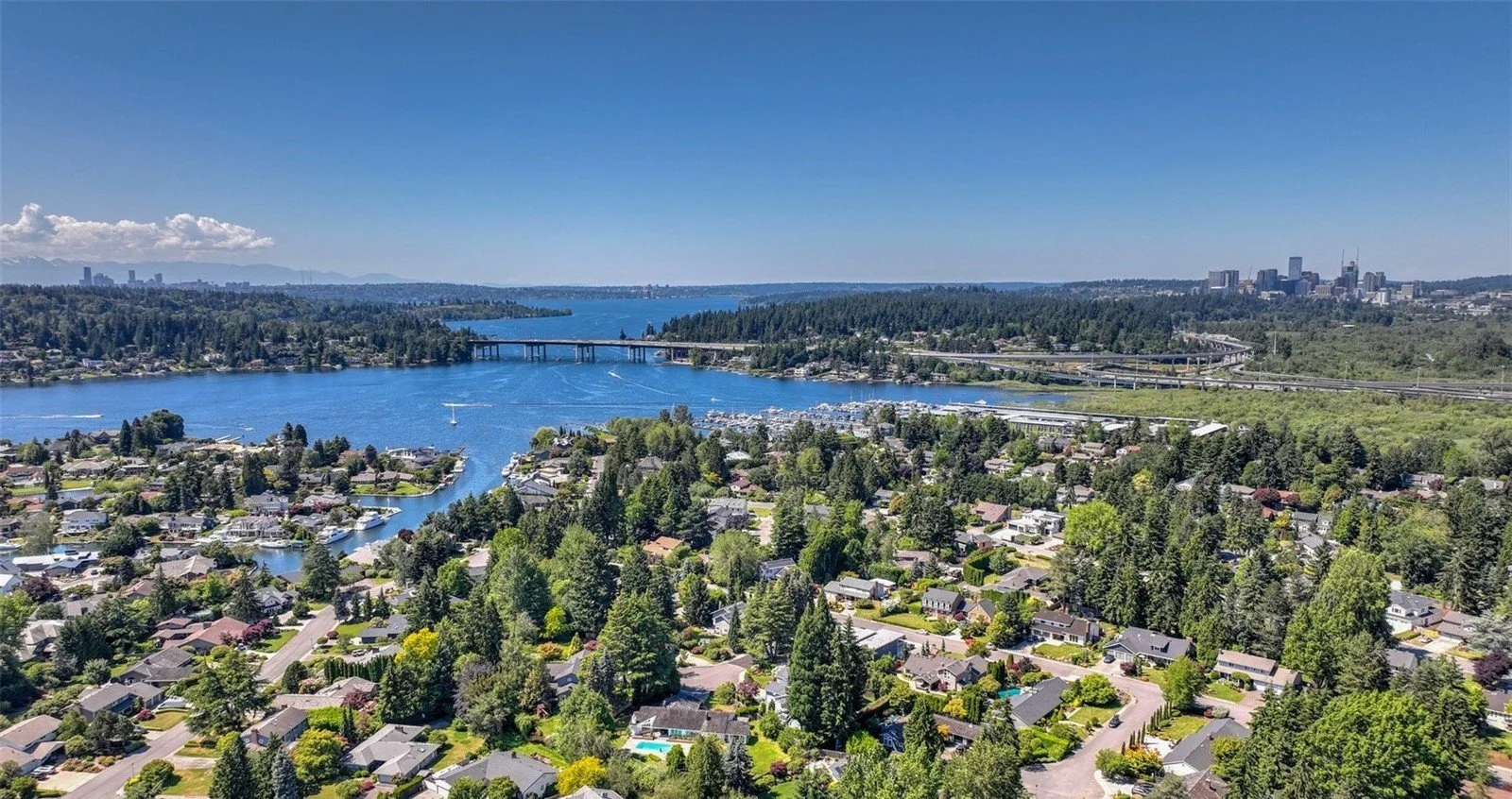
Mercer Island Waterfront Homes: Island Privacy Meets Seattle Access
The Eastside's only island waterfront market combines top-ranked schools, 15-minute Seattle commutes, and private lakefront living. From $3M east-facing entry homes to $28.5M Gold Coast estates, Mercer Island delivers unmatched family lifestyle value for dual-income tech executives seeking the ultimate balance of privacy, education, and metropolitan access.
Why Mercer Island Waterfront? The Only Island Lifestyle on the Eastside
Mercer Island stands alone among Seattle Eastside waterfront markets. As the only island community between the Pacific Northwest's two major tech hubs, it delivers a unique value proposition impossible to replicate elsewhere: true island privacy with dual-market metropolitan access, elite public schools rivaling $50K/year private academies, and waterfront scarcity that has driven 57% appreciation in a single year.
The 2024 Mercer Island waterfront market tells a compelling story. Just 18 waterfront homes changed hands in 2024—representing only 8% of total island sales—highlighting the extreme rarity of lakefront ownership here. The median sales price surged from $5.18M to $8.11M, vaulting Mercer Island past Kirkland and Four Points to claim the title of the Eastside's second-most expensive waterfront market (behind only Medina's billionaire compounds). The year's top sale at $28,500,000 for a 1.2-acre North End estate underscores the market's ultra-luxury ceiling while the average 101 feet of frontage demonstrates the generous proportions available compared to tighter Bellevue and Kirkland markets.
What drives this performance? The island's strategic positioning creates irreplaceable advantages for the region's dominant buyer demographic: dual-income technology executives with school-age children. Consider the typical scenario: one spouse works at Amazon in Seattle's South Lake Union (15-minute commute), the other at Microsoft in Redmond (25 minutes), and both prioritize access to Washington's top-ranked public schools without compromising career mobility. Only Mercer Island delivers this trifecta within a secure, family-oriented island community accessible via a single bridge connection.
The waterfront inventory spans remarkable diversity. Entry-level buyers discover east-facing properties with Cascade Mountain views starting around $3M in the South End and East Seattle neighborhoods—roughly half the price of comparable Gold Coast estates. Mid-market families gravitate toward $5M-$10M west-facing homes in established beach club communities, trading direct beach ownership for lower maintenance and built-in social networks. Ultra-high-net-worth buyers pursue $15M-$28.5M North End compounds with 150+ feet of frontage, mature landscaping, and the kind of privacy typically requiring a San Juan Island retreat.
This comprehensive guide explores everything sophisticated buyers need to understand before investing in Mercer Island waterfront real estate: the distinct character of each waterfront neighborhood, from sunset-view Gold Coast to family-friendly South End beach clubs; the practical realities of dock permitting, HOA structures, and property tax implications; and the strategic comparison framework for evaluating Mercer Island against alternative Eastside waterfront markets. Whether you're relocating from California tech hubs, upgrading from Seattle condos, or seeking international investment opportunities, this resource provides the market intelligence required for informed decision-making in one of the Pacific Northwest's most exclusive residential enclaves.
Mercer Island Waterfront Neighborhoods: A Complete Geographic Guide
Understanding Mercer Island's waterfront geography is essential for identifying the right property match. The island's 13.5 miles of Lake Washington shoreline divide into five distinct waterfront zones, each with unique characteristics, price points, and buyer profiles. This section provides the detailed neighborhood intelligence rarely shared by single-market specialists protecting inventory control.
Gold Coast (West-Facing): Seattle Skyline Sunsets & Premium Pricing
Price Range: $8M - $28.5M | Frontage: 75-150 feet | Orientation: West-facing Lake Washington
The Gold Coast represents Mercer Island's blue-chip waterfront—the stretch of west-facing shoreline offering unobstructed Seattle skyline views, nightly sunset displays over Elliott Bay, and proximity to Town Center's walkable amenities. Properties here command the island's highest prices per square foot ($2,000-$2,800) for good reason: the combination of urban vistas, mature landscaping, and established prestige creates irreplaceable positional value.
Geographically, the Gold Coast extends from the island's northwest corner (Clarke Beach area) south through West Mercer Way to approximately SE 68th Street. The most coveted parcels sit between SE 36th and SE 53rd Streets, where gentle topography allows both high-bank view properties and low-bank beach access homes. Lot sizes typically range from 0.35 to 0.75 acres with 75-125 feet of frontage, though occasional estate parcels exceed 150 feet. The shoreline itself features a mix of natural beaches and bulkheaded banks, with most properties enjoying some degree of beach access via private stairs or gradual slopes.
Architecturally, the Gold Coast showcases Mercer Island's evolution from 1960s Northwest Contemporary to modern luxury. Expect to encounter three distinct property types: original mid-century homes ($8M-$12M) offering renovation or teardown opportunities on premium lots; extensively remodeled transitional estates ($12M-$18M) with updated systems and contemporary finishes; and new construction showcase homes ($18M-$28.5M) featuring chef's kitchens, smart home integration, spa-inspired bathrooms, and entertainer-grade outdoor living spaces. The 2024 top sale at $28.5M (7002 N Mercer Way) exemplifies the latter category—a 1.2-acre compound with 150+ feet of frontage, private dock, infinity pool, and finishes rivaling Four Seasons hospitality.
The Gold Coast buyer profile skews toward established professionals and C-suite executives valuing location prestige and entertainment-ready properties. Many maintain primary residences here while keeping downtown Seattle condos or Whistler ski properties as secondary retreats. The west-facing orientation proves particularly valuable for executives hosting client dinners—sunset views over the Seattle skyline create memorable backdrops for business development. Walkability to Town Center (5-15 minute walk for most properties) appeals to empty-nesters reducing car dependency and families seeking easy access to restaurants without driving.
Key considerations for Gold Coast buyers include higher property taxes reflecting premium assessments, potential noise from I-90 bridge traffic (northern properties), and competitive pressure for turnkey estates. Properties requiring significant updates may sit longer than move-in ready alternatives, as the $10M+ buyer increasingly expects resort-level finishes. Dock rights vary—some homes have permitted private docks with boat lifts, others rely on beach moorage or membership in nearby beach clubs. Always verify dock permits and shoreline restrictions before closing.
First Hill: Ultra-Luxury New Construction & Modern Estates
Price Range: $10M - $22M | Characteristics: Highest $/SF, Modern Architecture, Turnkey Condition
First Hill occupies Mercer Island's northwest quadrant, roughly bounded by West Mercer Way, 72nd Avenue SE, and the island's northern shoreline. This elevated neighborhood earned its "First Hill" moniker from its prominence as the island's highest residential area, offering commanding lake and mountain views from properties perched 100-200 feet above the water. While technically not all First Hill homes qualify as waterfront (many sit too far upslope for beach access), the western edge of the neighborhood includes some of the island's most spectacular view estates.
The First Hill waterfront segment consists primarily of high-bank properties with dramatic territorial views but limited beach access. These homes trade direct shoreline interaction for privacy, views, and larger buildable pads. Typical lots range from 0.5 to 1.2 acres with 100-150 feet of nominal frontage, though the steep bank gradient means beach access requires extensive stairways (40-80 steps). The trade-off? Panoramic 180-degree views encompassing Seattle's skyline, Mount Rainier, the Olympic Mountains, and both I-90 bridges—vistas impossible to achieve from lower-elevation properties.
First Hill has become Mercer Island's incubator for cutting-edge contemporary architecture. The neighborhood's larger lots and fewer deed restrictions enable ambitious new construction projects that push design boundaries. Recent builds showcase floor-to-ceiling glass walls, floating staircases, indoor-outdoor living spaces, and technology integration that would cost 40-50% more in space-constrained Medina or Bellevue. Expect to find homes with dedicated wine cellars (1,000+ bottle capacity), home theaters with commercial-grade acoustics, fitness centers with spa facilities, and detached ADUs for staff quarters or multi-generational living.
The First Hill buyer differs markedly from the Gold Coast profile. These purchasers—often tech executives, entrepreneurs, or relocated international buyers—prioritize modern aesthetics, smart home technology, and turnkey condition over walkability or beach access. Many come from California's Bay Area or Los Angeles with expectations set by Atherton or Beverly Hills estates. They value privacy (high-bank properties feel more secure), dramatic views over beach interaction, and architectural distinction. First Hill homes frequently serve as primary residences for peak-earning professionals (40-55 age demographic) with teenage children appreciating the home's entertainment features.
Practical considerations include higher utility costs (elevated properties face greater heating/cooling demands), limited beach access (stairs-only in most cases), and potentially longer marketing times for ultra-contemporary designs that polarize buyers. Properties over $15M average 200-300 days on market as the buyer pool narrows considerably. However, First Hill estates in the $10M-$14M range offer compelling value compared to similarly-sized Gold Coast properties at $12M-$16M—you're trading some walkability and sunset views for more house, modern systems, and architectural impact.
East Seattle & South End: Entry-Level Luxury & Cascade Views
Price Range: $3M - $6M | Orientation: East-facing Cascade Mountain views | Character: Quieter waters, family-friendly
The east side of Mercer Island offers waterfront accessibility at roughly half the cost of comparable Gold Coast properties—with trade-offs sophisticated buyers should understand before assuming "less expensive means less desirable." East Seattle and South End waterfront neighborhoods provide sunrise views over the Cascade Mountains, calmer waters protected from prevailing westerly winds, and genuine family-oriented beach communities where children safely swim, kayak, and learn to wakeboard without the boat traffic common on the island's west side.
Geographically, this region encompasses the eastern shoreline from the island's northeast corner south to Groveland Beach, including neighborhoods around East Mercer Way, Forest Avenue SE, and the south island beaches. Properties here typically sit on 0.25 to 0.5-acre lots with 60-100 feet of frontage—smaller than Gold Coast parcels but still generous by Eastside standards. The shoreline character varies from natural low-bank beaches ideal for wading and kayak launches to medium-bank properties with modest stairways. Unlike the west side's occasional bulkheaded lots, east-side properties more often feature natural shorelines with established vegetation.
Architecturally, expect to find primarily 1980s-2000s construction—solidly built ranch and two-story homes with traditional Northwest design aesthetics. While these properties lack the architectural drama of First Hill new builds or the prestige addresses of Gold Coast estates, they offer practical advantages for young families: main-floor living conducive to aging-in-place, lower property taxes (assessments trail west-facing comparables by 30-40%), and manageable maintenance costs. Many homes feature recent kitchen and bathroom updates while retaining original bones, creating "good bones, modern touches" profiles that appeal to buyers prioritizing livability over Instagram-worthy finishes.
The east-side buyer demographic skews younger and more family-focused than other island segments. Typical purchasers include tech professionals in their mid-30s to mid-40s making their first move into waterfront ownership, relocating families prioritizing the Mercer Island School District over luxury finishes, and empty-nesters downsizing from larger homes while maintaining waterfront lifestyle. The $3M-$6M price point represents "affordable luxury" in the Eastside context—high enough to ensure neighborhood quality and school access, low enough to leave budget for dock installations, landscaping improvements, or college savings.
Key advantages of east-facing waterfront include calmer water conditions (protected from west wind and boat wakes), stunning sunrise mountain views, more privacy from boat traffic, and proximity to island parks and trails. Children learning to paddleboard or kayak benefit from gentler conditions compared to busier west-side waters. The main trade-offs? Less prestigious addresses (unlikely to impress clients or colleagues unfamiliar with island geography), longer walks to Town Center (10-20 minute walks or 3-5 minute drives), and potentially slower appreciation compared to Gold Coast blue-chip properties. For families prioritizing lifestyle over investment returns, these compromises prove acceptable; for status-conscious buyers, they're dealbreakers.
Beach Clubs & Communities: Shared Waterfront, Lower Costs, Built-In Social Networks
HOA Fees: $500-$2,000/month | Benefits: Shared moorage, swim beaches, clubhouse facilities | Price Discount: 20-30% vs. private waterfront
Mercer Island's beach club communities offer an alternative waterfront ownership model worth serious consideration for buyers prioritizing amenities and community over private beach ownership. Major clubs include Groveland Beach Club (south island), West Mercer Beach Club (mid-island west side), and Mercerdale Beach Club (central island), each providing members with shared swim beaches, boat moorage, social events, and recreation facilities in exchange for monthly HOA fees and deed restrictions.
The economic value proposition proves compelling: beach club homes typically trade at 20-30% discounts compared to private waterfront properties with similar square footage and location. A $5M beach club home might match the interior quality and lot size of a $7M private waterfront estate, with the discount reflecting shared rather than exclusive beach access. For buyers who realistically use waterfront amenities occasionally rather than daily—and who value community connections—this trade-off makes financial sense. The HOA fees ($1,000-$2,000/month typical) cover not just waterfront access but often include pool maintenance, tennis courts, landscaping of common areas, and social programming that private owners fund separately.
Families with young children often gravitate toward beach clubs for the instant community and child-friendly amenities. Summer swim lessons, Fourth of July celebrations, beach bonfires, and organized sailing programs create the kind of neighborhood cohesion increasingly rare in high-end real estate markets. For relocated families new to the Seattle area, beach clubs provide accelerated social integration—your children make friends on the beach, leading to playdate connections and parental relationships that ease the transition. Empty-nesters appreciate the maintenance-free waterfront lifestyle: the club manages dock repairs, beach grooming, and facility upkeep that private owners coordinate themselves.
However, beach club ownership includes trade-offs beyond the obvious lack of private beach. HOA rules may restrict dock use (no extended moorage seasons, no large boats, no jet ski storage), limit beach access hours, or require member approval for property modifications. Financial due diligence proves critical—review the club's reserve study for upcoming capital assessments, examine the history of fee increases (sustainable clubs increase 3-4% annually; troubled clubs spike 10-15%), and verify the club's financial health through independent audit. Some clubs struggle with deferred maintenance or declining membership, creating special assessment risks.
For buyers comparing private waterfront versus beach club membership, consider your usage pattern honestly. If you'll boat most weekends, host frequent gatherings on your beach, or value absolute privacy, private waterfront justifies the premium. If you'll swim occasionally, kayak a few times monthly, and appreciate structured community, beach clubs deliver excellent value. Many savvy buyers purchase beach club properties as entry points into Mercer Island waterfront, building equity for 5-7 years before upgrading to private beach estates once children age out of club programs or careers advance to higher income levels.
North End vs South End: Understanding Mercer Island's Waterfront Lifestyle Divide
North End: Ultra-luxury estates, maximum privacy, mature landscaping, 30-50% price premium
South End: Family communities, beach club culture, Town Center walkability, better value
Mercer Island's waterfront market divides along a rough north-south axis that transcends simple geography to reflect distinct lifestyle preferences, price tiers, and buyer demographics. Understanding this divide helps buyers self-identify ideal neighborhoods before viewing properties—saving time and focusing searches on compatible options.
The North End, roughly defined as waterfront properties north of SE 40th Street on the west side and north of East Mercer Way on the east, represents Mercer Island's ultra-luxury enclave. Here you'll find the island's largest estates (0.8 to 1.5+ acres), most extensive frontage (120-200+ feet), and highest absolute prices ($12M-$28.5M). The 2024 record sale at $28.5M occurred on N Mercer Way in the island's northern reaches—a 1.2-acre compound exemplifying North End scale and privacy. Properties here benefit from mature landscaping (60-80 year old trees), established privacy screening, and distance from Town Center's activity. The trade-off? Less walkability (most amenities require driving), older housing stock requiring updates, and limited inventory turnover (many families hold for 15-25 years, passing properties to next generations).
The North End buyer typically represents peak wealth—tech executives who've navigated successful exits, established entrepreneurs, medical specialists, law firm partners, or international buyers seeking US real estate investment. These purchasers prioritize privacy and seclusion over convenience, viewing waterfront ownership as legacy assets rather than starter homes. Many maintain multiple properties (Aspen ski homes, Hawaii vacation estates) and appreciate the North End's separation from tourist activity and commercial zones. Families here often employ household staff (housekeepers, groundskeepers, private chefs), utilize private aviation, and send children to area private schools despite living in top public school districts.
The South End—waterfront properties south of SE 48th Street on the west side and the Groveland area on the southeast—delivers a more community-oriented experience at more accessible price points. Homes here ($4M-$10M typical) cluster closer to Town Center, enabling walking errands and reducing car dependency. The south island hosts major beach clubs, creating instant social networks and structured summer programming for families. Lot sizes trend smaller (0.25-0.5 acres), but the more compact footprint often means newer construction or recent major renovations. Walk scores improve significantly—residents walk to QFC for groceries, grab coffee at Starbucks, or meet friends at island restaurants without driving.
South End buyers skew younger (35-50 vs. 45-65 in the North End) and prioritize different values: walkable lifestyle over maximum privacy, community connections over seclusion, turnkey homes over renovation projects. Many are making their first move into waterfront ownership after years building equity in Seattle condos or Eastside non-waterfront homes. They appreciate the South End's energy and accessibility while still enjoying island benefits—excellent schools, waterfront amenity, and separation from mainland congestion. Beach club memberships provide instant community, particularly valuable for relocated families establishing social roots.
Choosing between North and South End comes down to lifestyle alignment. If you envision quiet weekends on private beaches, value ultimate seclusion, and can justify 30-50% price premiums for privacy, the North End delivers. If you prefer walking to dinner, want your children in summer beach camp, and appreciate community interaction, the South End offers better alignment. Neither is objectively superior—they serve different buyer preferences equally well. The key is honest self-assessment: how do you actually want to live, not how you imagine you should want to live?
Mercer Island Lifestyle & Amenities: Why Families Choose the Island
Mercer Island's appeal extends far beyond waterfront amenities and scenic beauty. The island's unique combination of academic excellence, strategic commute positioning, inherent security advantages, and complete lifestyle infrastructure explains why families pay premium prices to live here—and why properties appreciate faster than comparable mainland communities.
Schools: The Mercer Island Advantage That Justifies Premium Pricing
The Mercer Island School District consistently ranks among Washington State's top 5 public school systems, delivering educational outcomes that rival $40,000-$60,000/year private academies without the tuition burden. This isn't marketing hyperbole—the data tells a compelling story that drives real estate decisions for the majority of family buyers in the $5M-$15M range.
The district serves approximately 4,400 students across five schools: three elementary schools (Island Park, Lakeridge, West Mercer), one middle school (Islander Middle School), and Mercer Island High School. The relatively small enrollment ensures individual attention and robust programming impossible in larger districts. Student-to-teacher ratios average 18:1 compared to 22:1+ in neighboring districts, enabling personalized instruction and early intervention when students struggle.
Academic performance metrics exceed state and national averages across every measure. Mercer Island High School posts 95%+ graduation rates with over 85% of graduates pursuing four-year colleges. SAT scores average 1280-1320 (compared to 1050 statewide), with significant percentages scoring 1400+. The high school offers 28 Advanced Placement courses—more than most schools twice its size—with 78% of AP exam takers scoring 3 or higher (qualifying for college credit). College placement reflects this rigor: recent graduating classes sent students to Yale, Princeton, Stanford, MIT, UC Berkeley, and every Ivy League institution.
Beyond test scores, the district invests heavily in STEM programming, arts education, and athletics. The high school's robotics team competes nationally, the debate program produces state champions, and performing arts productions rival professional theater quality. Athletic facilities include a competition swimming pool, professional-grade football/soccer stadium, and tennis complex that hosts regional tournaments. For families relocating from top-tier school districts in Palo Alto, Brookline, or Scarsdale, Mercer Island delivers comparable educational experiences without sacrificing Pacific Northwest lifestyle or waterfront access.
The school advantage directly impacts real estate values. Families often budget an extra $1M-$2M for Mercer Island versus comparable Kirkland or Lake Sammamish waterfront specifically to access the district. This premium proves rational when you calculate private school tuition savings: $200,000+ per child over K-12 education. For families with 2-3 children, the math strongly favors Mercer Island public schools over mainland waterfront + private school tuition. This dynamic sustains property values even during broader market corrections—parents won't sacrifice children's education to capture marginal real estate savings.
Commute Analysis: The Dual-Market Advantage That Unlocks Career Flexibility
Mercer Island occupies the sweet spot for dual-income technology families navigating Seattle and Eastside employment. The island's strategic position at I-90's midpoint creates commute flexibility impossible from single-market communities, enabling households to optimize for two simultaneous career trajectories without forcing one spouse into painful 60-90 minute commutes.
The numbers demonstrate the advantage: 15 minutes to downtown Seattle's South Lake Union (Amazon headquarters), 10 minutes to downtown Bellevue (T-Mobile, Meta, various tech offices), 25 minutes to Redmond (Microsoft main campus), and 30-35 minutes to Seattle's northside tech corridor (Google, Facebook). Compare this to Medina—exceptional for Bellevue/Redmond commutes but 25-30 minutes minimum to Seattle—or Lake Sammamish, which adds 15-20 minutes to any Seattle commute versus Mercer Island.
This dual-market positioning unlocks career mobility that mainland communities can't match. When the Amazon employee receives a promotion requiring South Lake Union presence, the family doesn't face relocation decisions. When the Microsoft spouse considers a Seattle-based startup opportunity, commute geography doesn't veto the career move. For families climbing corporate ladders at multiple companies simultaneously—the dominant Eastside demographic—Mercer Island eliminates geography as a career constraint.
The I-90 corridor itself proves more reliable than alternative routes. Unlike Highway 520 (subject to bridge tolls and weather closures) or I-405 (perpetual congestion), I-90 provides redundant lanes, lower accident rates, and all-weather reliability. The bridge rarely closes for fog or ice, and the two-bridge configuration means accidents on one span don't completely halt traffic. For professionals with non-negotiable meeting schedules or client commitments, this reliability matters enormously.
Island Privacy & Security: The Overlooked Value of Limited Access
Mercer Island's bridge-only access creates inherent security and privacy advantages that gated communities attempt to replicate at significant cost. The island's geographic isolation means limited through-traffic, no shortcuts for delivery drivers or commuters, and natural population controls that enhance family safety without visible security measures.
Parents appreciate the island's walkability without urban crime concerns. Middle school students bike to school independently, high schoolers walk downtown for coffee, and elementary children play in front yards—scenarios increasingly rare in urban-adjacent neighborhoods. The island's single entry/exit point (I-90 bridges) creates a psychological security buffer that residents value even if they never articulate it explicitly. Break-in rates run significantly below mainland communities, partly due to limited escape routes for property criminals.
This security comes without aesthetic compromises. Unlike gated communities requiring guardhouses, key card access, and visible security infrastructure, Mercer Island delivers privacy through geography. Waterfront homes achieve seclusion without fortress-style walls or security cameras at every entrance. For high-net-worth families seeking privacy without broadcasting wealth, the island's natural security proves ideal.
Town Center Access: Commercial Convenience Within Minutes
Mercer Island's compact 6.5-square-mile footprint means every waterfront property sits within a 5-10 minute drive of Town Center—the island's commercial core offering grocery stores (QFC, Trader Joe's), pharmacies (Walgreens), restaurants (40+ establishments from casual to upscale), coffee shops (Starbucks, local cafes), and professional services. This eliminates the "waterfront isolation" problem common in Lake Sammamish or rural Northwest communities where basic errands require 20-30 minute drives.
South End and Gold Coast properties enjoy walking access—5 to 15-minute walks to Town Center from most homes south of SE 48th Street. This walkability appeals to empty-nesters reducing car dependency and families raising children with independence-building skills. North End properties require driving but still reach amenities in under 10 minutes, maintaining convenience without sacrificing privacy.
The Town Center itself punches above its size, offering restaurant diversity (Thai, Mexican, Italian, American, Japanese, Mediterranean) that eliminates the need for Seattle dinner trips except for special occasions. Residents meet friends for coffee, grab takeout between meetings, or complete grocery runs during lunch breaks—the kind of spontaneous convenience waterfront communities rarely provide.
Recreation: Community Center, Parks, Beaches & Trails
The Mercer Island Community Center anchors the island's recreation infrastructure with a competition pool, fitness center, gymnasium, and programming for all ages. Residents utilize the pool for lap swimming and children's lessons, attend fitness classes, and access senior programming. The facility rivals private athletic clubs at a fraction of the membership cost.
The island's parks system includes Aubrey Davis Park (a 1.5-mile green corridor through the island's center with sports fields and trails), Luther Burbank Park (77 waterfront acres with swimming beach, fishing dock, tennis courts, and amphitheater), and numerous neighborhood parks. The Mercer Island Loop—a 6.5-mile walking/biking path circling the island—provides car-free recreation with continuous lake views.
These amenities create lifestyle completeness. Families don't feel isolated on the island because recreation options rival urban neighborhoods. Weekend activities—farmers market, beach outings, trail walks, community events—all occur within the island's boundaries, reducing the need for mainland trips while maintaining activity diversity.
Buyer's Guide: Mercer Island Waterfront Purchase Strategy
Purchasing waterfront real estate requires different due diligence than standard single-family transactions. The following guide addresses the unique considerations, potential pitfalls, and strategic decisions buyers face when investing in Mercer Island lakefront properties.
Dock Rights: Private Docks vs Beach Club Moorage
Dock rights represent one of the most valuable yet complex aspects of waterfront ownership. Not all waterfront properties include dock rights, and among those that do, permitting status and configuration vary dramatically. Understanding these nuances prevents costly post-purchase surprises.
Private dock properties typically include permitted structures with boat lifts, jet ski moorage, and year-round access. These docks may accommodate vessels from 20-foot runabouts to 35-foot cruisers depending on permit specifications. Permitted private docks add $500,000-$1,000,000+ to property values compared to non-dock waterfront. Before purchasing, verify: permit status with Army Corps of Engineers, compliance with Shoreline Master Program regulations, dock condition and replacement timeline, and liability insurance requirements.
Beach club moorage provides shared dock access through HOA membership. Members receive assigned or lottery-based slip allocations during boating season (typically May-September). This arrangement works well for occasional boaters who don't need year-round access. Benefits include lower maintenance responsibility (the club handles repairs), liability shared across membership, and professional dock management. Limitations include seasonal restrictions, potential waiting lists for larger slips, and inability to modify dock configuration for specific vessels.
Permitting new docks has become increasingly difficult and expensive. New dock applications require environmental review, neighbor notification, public comment periods, and compliance with updated Shoreline Management Act regulations. Costs range from $50,000-$150,000+ for engineering studies, permit fees, legal assistance, and construction. Timeline extends 12-24 months from application to completion. Properties without existing docks should be assumed "no dock potential" unless you're willing to invest significant capital with uncertain approval prospects.
Beach Access: Low-Bank vs High-Bank Properties
Bank height fundamentally affects waterfront usability and family lifestyle. Low-bank properties (0-15 feet above water) provide gentle beach access ideal for swimming, kayaking, paddleboarding, and young children. Families launch boats from beaches, children wade in shallow water, and daily water interaction proves effortless. These properties command 15-25% premiums over high-bank alternatives when comparing similar square footage and location.
High-bank properties (20-100+ feet above water) offer elevated views and privacy but require stairways (40-100+ steps) to reach beach level. Physical accessibility becomes a consideration—young children need supervision navigating stairs, elderly family members may struggle with repeated climbs, and carrying beach equipment proves challenging. However, high-bank properties often sit on larger view lots with better privacy and less shoreline maintenance. For buyers prioritizing views over daily beach access, high-bank estates deliver excellent value.
Evaluate beach access based on your actual usage pattern, not idealized scenarios. If you'll swim daily in summer, low-bank proves essential. If you'll primarily enjoy views from the deck with occasional beach walks, high-bank works perfectly. Visit properties at low tide to see actual beach width—some "waterfront" homes have minimal beach during low water periods, limiting usability.
HOA Fees: Understanding What You're Paying For
Mercer Island waterfront HOA fees range from $500/month (minimal road maintenance associations) to $2,000/month (full-service beach clubs). Understanding what's included prevents budget surprises and enables accurate cost comparisons between properties.
High-fee beach clubs ($1,500-$2,000/month) typically include: shared dock moorage, swim beach access and grooming, clubhouse facilities, tennis courts, landscaping of common areas, social events and programming, liability insurance, and capital reserves for major repairs. These fees replace costs private waterfront owners pay separately—dock maintenance, landscaping, liability coverage—making the monthly cost less burdensome than it appears.
Moderate-fee communities ($800-$1,200/month) usually cover: road maintenance, private gate operation, common area landscaping, and basic security. These associations provide infrastructure without extensive amenities, functioning more like gated community management than full-service clubs.
Low-fee associations ($500-$700/month) handle minimal services: road repairs, storm drain maintenance, and liability insurance for shared property elements. These represent basic property maintenance cooperatives without recreation amenities.
Before purchasing, review: HOA financial statements (looking for adequate reserves and stable budgets), history of special assessments (frequent assessments suggest poor planning), fee increase trends (sustainable HOAs increase 3-4% annually), and reserve study recommendations (deferred maintenance creates future assessment risks). Request copies of the last three years' financial audits and reserve studies during due diligence.
Property Taxes: King County Assessment Reality
King County assesses Mercer Island properties at market value with combined tax rates approximately 0.87% annually. For an $8M waterfront home, expect $69,600 in annual property taxes—substantially higher than inland areas but comparable to other premium Eastside communities. The tax rate breaks down into: King County general (0.28%), Mercer Island city (0.09%), Mercer Island School District (0.43%), and various smaller levies (libraries, emergency services, parks).
The school district portion—nearly half of total taxes—represents the investment in educational excellence that drives property values. Buyers often rationalize this cost against private school tuition savings: $69,600 in property taxes versus $100,000+ in tuition for two children makes the public school investment attractive. The district's consistent levy passage rates (typically 65-75% approval) demonstrate community commitment to educational funding.
Tax planning strategies include: confirming assessed value accuracy (contest assessments that exceed fair market value), exploring senior or disability exemptions (Washington offers various programs), and considering tax-loss harvesting if holding investment properties. Consult a CPA familiar with Washington property tax law for personalized planning.
Lot Sizes & Frontage: What to Expect
Mercer Island waterfront lots average 0.35-0.75 acres with 75-125 feet of frontage—generous compared to Bellevue or Kirkland but smaller than Lake Sammamish estates. These dimensions provide ample space for main residences (5,000-8,000 sq ft typical), guest houses or ADUs (800-1,200 sq ft), pools and spas, outdoor kitchens, and landscaped gardens while maintaining privacy from neighbors.
Frontage matters more than total acreage for waterfront properties. A 0.4-acre lot with 125 feet of frontage often values higher than a 0.6-acre lot with 75 feet—the additional shoreline creates better beach access, dock positioning, and water views from more rooms. Lots with 100+ feet of frontage support larger dock structures, multiple watercraft moorage, and designated swimming areas separate from boat zones.
Buildable square footage depends on lot coverage regulations, setback requirements, and environmental critical area buffers. Mercer Island typically allows 35-40% lot coverage for primary residence plus accessory structures. Shoreline setbacks (often 50+ feet from ordinary high water mark) limit waterside construction, preserving beach access and view corridors. Before purchasing lots for new construction, engage an architect for preliminary site analysis confirming your building program fits within regulatory constraints.
New Construction vs Remodel: Investment Considerations
Mercer Island's mature housing stock presents buyers with strategic choices: purchase existing homes requiring updates, buy recently remodeled turnkey properties, or pursue teardown/new construction opportunities. Each approach offers distinct financial and lifestyle implications.
Teardown opportunities appeal to buyers willing to wait 18-30 months for custom homes. Purchase prices ($5M-$10M for lot value) plus construction costs ($800-$1,200/sq ft for luxury finishes) total $8M-$16M for completed projects. This path delivers exactly what you want—floor plans matching your lifestyle, modern systems, cutting-edge technology—but requires patience, project management, and construction expertise. Risks include: cost overruns (plan for 10-15% contingency), timeline delays (permitting often extends beyond estimates), and market timing (values could shift during construction).
Major remodels of existing homes ($2M-$4M renovation budgets) provide faster timelines (12-16 months) while preserving existing structures that may have permitted dock rights or grandfathered zoning. This approach works well when underlying home has good bones—solid foundation, proper orientation, desirable lot—but dated finishes. You'll achieve 85-90% of new construction appeal at 70-75% of the cost. Challenge: living elsewhere during construction (rent expense and moving logistics).
Turnkey purchases eliminate construction risk and provide immediate occupancy. Premium pricing (15-25% above construction cost) reflects the value of certainty—you see exactly what you're buying, inspect completed systems, and move in within 60 days of closing. For busy executives lacking time for construction management or buyers unfamiliar with Seattle's building process, the premium proves worthwhile. The trade-off? Less customization and potential compromise on features you'd design differently.
Market Comparison: Mercer Island vs Other Eastside Waterfront Communities
Sophisticated buyers evaluate Mercer Island within the context of alternative Eastside waterfront markets. The following analysis provides the unbiased comparison framework rarely offered by single-market specialists protecting inventory control. Each market serves different buyer priorities—the goal is identifying which aligns with your specific needs.
Mercer Island vs Bellevue Waterfront
Island privacy versus urban walkability. Mercer Island delivers genuine separation from mainland activity—you cross a bridge to go home, creating psychological distance from work stress and urban energy. Bellevue waterfront (Meydenbauer Bay, Fairweather Bay) integrates into the city fabric, offering 5-minute walks to downtown restaurants, shopping, and entertainment. Choose Mercer Island if you value separation and residential tranquility; choose Bellevue if you want metropolitan amenities at your doorstep.
Schools. Both offer excellent districts, but Mercer Island edges ahead in statewide rankings (top 5 consistently vs Bellevue's top 10-15). For families making buying decisions primarily on education, Mercer Island justifies 10-15% price premiums. For families prioritizing other factors, Bellevue schools still deliver strong outcomes.
Price comparison. Median waterfront: Mercer Island $8.11M, Bellevue $7.2M. The premium reflects school advantage and island exclusivity. However, Bellevue offers greater inventory diversity—from $4M attached townhomes to $20M+ estates—providing more entry-level options. Frontage comparison: Mercer Island averages 101 feet, Bellevue 85 feet, giving Mercer Island's advantage in lakefront dimensions.
Mercer Island vs Kirkland Waterfront
Island exclusivity versus downtown charm. Kirkland's waterfront integrates with a vibrant downtown (Marina Park, gallery walks, restaurant row), creating village-lifestyle appeal. Mercer Island trades Kirkland's downtown energy for privacy and schools. Younger buyers (30-40 demographic) often prefer Kirkland's social scene; established families (40-55) gravitate toward Mercer Island's school-focused community.
Commute trade-offs. Kirkland positions better for pure Eastside commutes (Redmond, Kirkland offices), while Mercer Island wins for dual Seattle/Eastside scenarios. If both spouses work on the Eastside, Kirkland's 15-minute advantage to Redmond matters. If one spouse works in Seattle, Mercer Island's bridge access proves superior.
Price and appreciation. 2024 median: Mercer Island $8.11M (+57% YoY), Kirkland $6.8M (+12% YoY). Mercer Island's explosive appreciation reflects post-pandemic buyer preference for privacy and schools. Kirkland offers better value for buyers prioritizing lifestyle over investment returns. Average frontage: Mercer Island 101 ft, Kirkland 90 ft—Mercer Island provides more generous shoreline in typical transactions.
Mercer Island vs Lake Sammamish Waterfront
Prestige versus affordability. Lake Sammamish offers Eastside waterfront at 40-50% discounts compared to Mercer Island—median $4.5M versus $8.11M. For buyers prioritizing value and willing to trade school reputation and commute convenience, Lake Sammamish delivers exceptional space and frontage. Mercer Island buyers pay premiums for school district, dual-market commuting, and island prestige that Lake Sammamish can't match.
Frontage comparison. Lake Sammamish dominates on dimensions—average 120+ feet versus Mercer Island's 101 feet, with some properties offering 200+ feet. If maximizing water frontage is your primary goal, Lake Sammamish delivers better value per linear foot. However, Mercer Island's Lake Washington location provides better boating access to Seattle and larger lake recreational opportunities.
Appreciation potential. Mercer Island (+57% in 2024) vastly outperformed Lake Sammamish (+8% in 2024). The school district advantage and limited inventory drive sustained demand that supports values during market corrections. Lake Sammamish offers better cash flow (lower property taxes, HOA fees) but potentially weaker appreciation, making it ideal for lifestyle-focused buyers versus investment-oriented purchasers. For families seeking more outdoor recreation focus with Tiger Mountain proximity and swimming safety, explore Lake Sammamish real estate with guidance from your Lake Sammamish realtor expert.
Mercer Island vs Medina/Four Points
Family-focus versus billionaire compounds. Medina represents the Eastside's pinnacle market—Bill Gates, Jeff Bezos, and technology royalty own estates here. Median waterfront exceeds $15M with ultra-luxury expectations. Mercer Island attracts successful professionals and executives rather than billionaires, creating more approachable community dynamics despite high net worth. Choose Medina if you want to live among tech industry titans and value ultimate prestige addresses; choose Mercer Island if you prefer family-oriented community without competitive wealth displays.
School advantage. Mercer Island's top-5 state ranking beats Bellevue School District (which serves Medina). This creates the unusual scenario where the less expensive market offers superior schools—a key driver for families in the $8M-$15M range choosing Mercer Island over Medina. Only ultra-high-net-worth buyers ($20M+ budgets) typically opt for Medina despite the school disadvantage.
Accessibility. Mercer Island provides simpler access via I-90 compared to Medina's location north of downtown Bellevue. This matters for guests visiting, service providers coordinating appointments, and daily convenience. Medina's exclusivity creates friction; Mercer Island balances privacy with practicality. If you value the island's separation but want easier access than Medina's peninsula location, Mercer Island delivers the optimal middle ground.
Decision Framework: When to Choose Mercer Island Waterfront
Choose Mercer Island if you prioritize:
- Top-5 state school district without private school tuition
- Dual Seattle/Eastside commute flexibility (15 min Seattle, 10 min Bellevue)
- Island privacy with limited through-traffic and natural security
- Family-oriented community versus billionaire compounds
- Generous frontage (101 ft average) on Lake Washington's premium waters
- Strong appreciation potential driven by scarcity (only 18 sales in 2024)
- Balance of privacy and convenience (10 minutes to Town Center amenities)
Consider alternatives if you prioritize:
- Downtown walkability over residential separation → Bellevue or Kirkland
- Maximum frontage and value per dollar → Lake Sammamish
- Ultimate prestige address among tech elite → Medina
- Pure Eastside commute optimization → Kirkland or Bellevue
- Vibrant downtown social scene → Kirkland
Mercer Island Waterfront: Frequently Asked Questions
How much are Mercer Island waterfront homes?
Mercer Island waterfront homes range from $3M for east-facing entry-level properties to $28.5M for premier Gold Coast estates. The 2024 median sales price was $8.11M, representing a 57% increase from 2023's $5.18M. West-facing Gold Coast properties ($8M-$28.5M) command premium pricing for Seattle skyline sunset views and 75-150 ft frontage, while East Seattle and South End waterfront ($3M-$6M) offer more accessible entry points with Cascade Mountain views and quieter waters. Price per square foot averages $1,815, with ultra-luxury estates reaching $2,500+/sq ft for turnkey condition and premier locations.
What's the difference between Gold Coast and East Seattle waterfront on Mercer Island?
Gold Coast (west-facing) features Seattle skyline sunset views, 75-150 ft frontage, $8M-$28.5M price points, and 5-15 minute walks to Town Center. Properties here offer higher prestige, urban skyline vistas, and proximity to island amenities. East Seattle waterfront (east-facing) offers Cascade Mountain sunrise views, quieter waters protected from boat traffic, $3M-$6M pricing, and more privacy. Gold Coast commands 30-50% premiums due to sunset exposure and location prestige, while East Seattle provides better value for families prioritizing space, natural vistas, and school access over prestigious addresses. Both offer excellent beach access, though east-facing properties typically have calmer water conditions ideal for children learning water sports.
Are Mercer Island schools really the best on the Eastside?
Yes. Mercer Island School District consistently ranks in the top 5 statewide with 95%+ graduation rates, SAT scores averaging 1280-1320 (versus 1050 statewide), and exceptional college placement records including Ivy League and top-tier universities. The district serves 4,400 students across 5 schools with 18:1 student-to-teacher ratios, offers 28 Advanced Placement courses, and delivers educational outcomes rivaling $40K-$60K/year private academies. Island High School posts 78% of AP exam takers scoring 3+ (qualifying for college credit), and recent graduating classes have sent students to Yale, Princeton, Stanford, MIT, and every Ivy League institution. For families making real estate decisions primarily on education quality, Mercer Island justifies 10-15% price premiums over comparable mainland waterfront communities.
How long does it take to commute from Mercer Island to Seattle or Bellevue?
Mercer Island offers exceptional dual-commute access via I-90: 15 minutes to downtown Seattle (South Lake Union/Amazon headquarters), 10 minutes to downtown Bellevue (T-Mobile, Meta offices), 25 minutes to Redmond (Microsoft main campus), and 30-35 minutes to Seattle's northside tech corridor (Google, Facebook). This strategic positioning attracts dual-income tech families where one spouse works in Seattle and the other in Bellevue/Redmond, enabling career flexibility impossible from single-market communities. The I-90 corridor provides more reliable commutes than Highway 520 (fewer weather closures, no bridge tolls) or I-405 (chronic congestion). Limited bridge access (I-90 only) also enhances privacy and security compared to mainland Eastside neighborhoods with multiple access points.
Can you get a private dock on Mercer Island waterfront?
Yes, but permitting requirements vary by shoreline designation and property location. Many Gold Coast and First Hill properties have existing private docks with boat lifts and jet ski moorage, grandfathered under previous regulations. New dock construction requires Army Corps of Engineers permits, environmental reviews, neighbor notifications, and Shoreline Master Program compliance—a 12-24 month process costing $50,000-$150,000+ with uncertain approval outcomes. Alternatively, several beach club communities offer shared moorage through HOA memberships ($500-$2,000/month fees) providing seasonal slip access without individual permitting burdens. Dock rights significantly impact property values—expect $500K-$1M premiums for permitted private docks on premier lots. Always verify existing dock permits, compliance status, and condition during due diligence before purchasing.
What are Mercer Island waterfront HOA fees?
Mercer Island waterfront HOA fees range from $500-$2,000/month depending on amenities and services. Full-service beach clubs ($1,500-$2,000/month) include shared dock moorage, swim beaches, clubhouse facilities, tennis courts, landscaping, social events, and liability insurance—replacing costs private waterfront owners pay separately. Moderate-fee gated communities ($800-$1,200/month) cover road maintenance, security gates, and common area landscaping without extensive recreation amenities. Minimal associations ($500-$700/month) handle basic road repairs and liability insurance only. Before purchasing, review HOA financial statements for adequate reserves, history of special assessments, fee increase trends (sustainable HOAs increase 3-4% annually), and reserve study recommendations. Request three years of financial audits to assess the association's financial health and avoid deferred maintenance risks.
Is Mercer Island waterfront a good investment?
Mercer Island waterfront has demonstrated exceptional appreciation potential: 57% median price increase in 2024 alone ($5.18M to $8.11M), driven by extreme scarcity—only 18 waterfront sales in 2024 representing 8% of total island sales. The island's top-ranked schools, dual-market commute advantage, limited inventory (101 ft average frontage), and geographic exclusivity create sustained demand from high-net-worth families. Best investment opportunities include: Gold Coast properties with dock rights (strong prestige premium retention), modernized First Hill estates (appeal to tech buyer demographic), and teardown opportunities on oversized lots (redevelopment potential). Typical holding periods of 7-15 years optimize appreciation cycles. However, ultra-luxury properties ($15M+) face narrower buyer pools and longer marketing times (200-300 days average), requiring patient capital and market timing awareness.
How long do Mercer Island waterfront homes take to sell?
Average days on market reached 159 days in 2024, significantly higher than 2023's 45 days, reflecting post-pandemic market normalization and higher interest rates. Ultra-luxury properties ($15M+) average 200-300 days as buyer pools narrow considerably. Well-priced turnkey homes ($5M-$10M) in desirable locations sell within 60-120 days when properly marketed. Factors affecting sale velocity include: strategic pricing (overpricing extends timeline 90-120+ days), property condition (turnkey sells 40% faster than fixer-uppers), waterfront orientation (west-facing Gold Coast sells faster than east-facing), dock rights (properties with permitted docks average 30% shorter marketing times), and beach access quality (low-bank outperforms high-bank). Properties with Seattle skyline views, private docks, and modern finishes in the $8M-$12M range see strongest buyer competition and fastest sales.
What's the difference between north end and south end Mercer Island waterfront?
North End waterfront (properties north of SE 40th Street) features ultra-luxury estates ($15M-$28.5M), larger lots (0.8-1.5+ acres), extensive frontage (120-200+ feet), mature landscaping, and maximum privacy. The 2024 record sale at $28.5M occurred in the North End (7002 N Mercer Way). Buyers here include peak-wealth executives, entrepreneurs, and international investors seeking legacy estates and seclusion. South End waterfront (south of SE 48th Street) offers family-friendly beach communities ($4M-$10M), smaller lots (0.25-0.5 acres), active beach clubs, and better walkability to Town Center (5-15 minute walks). South End attracts younger families (35-50 demographic) prioritizing community, convenience, and school proximity over maximum privacy. Price differential: North End commands 30-50% premiums for comparable square footage due to lot size, privacy, and prestige positioning. Choose North End for ultimate seclusion; choose South End for community lifestyle and accessibility.
Can you walk to downtown Mercer Island from waterfront homes?
Walkability varies significantly by location. West-facing Gold Coast properties south of SE 40th Street offer 5-15 minute walks to Town Center (QFC, Walgreens, restaurants, coffee shops), enabling car-free errands and spontaneous dining. First Hill and North End estates require driving (2-5 minutes) due to distance and elevation. East Seattle waterfront is less walkable but offers more privacy and natural surroundings. The island's compact 6.5-mile loop makes biking popular—most waterfront homes sit within 10-minute bike rides of Town Center. Families prioritizing walkable lifestyle should focus on waterfront properties south of SE 36th Street on the west side, where level topography and shorter distances enable daily walking. Empty-nesters reducing car dependency often target this zone specifically for pedestrian-friendly access to amenities, restaurants, and social activities.
Are there beach clubs on Mercer Island?
Yes, Mercer Island has several established beach club communities offering shared waterfront access without private ownership costs. Major clubs include Groveland Beach Club (south island), West Mercer Beach Club (mid-island west side), and Mercerdale Beach Club (central island). Benefits include swim beaches, seasonal boat moorage (typically May-September), social events and programming, tennis/recreation facilities, and clubhouse access. Beach club homes trade at 20-30% discounts versus comparable private waterfront properties, with HOA fees ($1,000-$2,000/month) covering all amenities, maintenance, and liability insurance. This model appeals to families seeking waterfront lifestyle without full ownership responsibilities, occasional boaters who don't need year-round moorage, and buyers prioritizing community connections. Before purchasing, review club financial health, membership demographics, and facility condition to ensure alignment with your lifestyle preferences.
What's the top Mercer Island waterfront sale ever?
The highest recorded Mercer Island waterfront sale was $28,500,000 in 2024 for 7002 N Mercer Way—a 1.2-acre North End estate featuring expansive Lake Washington frontage (150+ feet), private dock with boat lift, panoramic Seattle skyline and mountain views, custom architecture, smart home integration, infinity pool, and resort-caliber finishes. Other notable ultra-luxury sales include $17,300,000 (1841 W Mercer Way, west-facing Gold Coast) and $15,150,000 (5045 Forest Avenue SE, off-market sale). These properties represent the market's upper ceiling, approximately 3.5x the 2024 median price of $8.11M. Ultra-luxury characteristics include: 150+ feet frontage, permitted private docks, west-facing Seattle skyline orientations, lots exceeding 1 acre, modern construction or comprehensive renovations, and premium North End or Gold Coast locations. Properties in this tier target billionaire and ultra-high-net-worth buyer pools with extended marketing timelines (250-400+ days typical).
Do Mercer Island waterfront homes have beach access?
Most Mercer Island waterfront homes have beach access, but quality varies significantly by bank height and shoreline configuration. Low-bank properties (Gold Coast, South End) offer gradual beach access ideal for swimming, kayaking, paddleboarding, and family recreation with children. These properties command 15-25% premiums over high-bank alternatives due to usability advantages. High-bank properties (some East Seattle and First Hill homes) require stairways (40-80 steps) to reach water level, limiting accessibility for young children and elderly family members but providing elevated views and privacy. Properties with natural beaches versus bulkheaded shorelines command additional premiums (15-25%) for superior swimming and recreation opportunities. When evaluating beach access, visit properties at low tide to assess actual beach width—some waterfront homes have minimal beach during low water periods. Families with young children should prioritize low-bank properties with gentle gradients and swim-friendly beaches for daily water interaction.
What banks are best for Mercer Island waterfront mortgages?
Luxury waterfront financing ($3M+) requires specialized jumbo loan programs and lenders experienced in high-value unique properties. Recommended institutions include: Washington Federal (local market expertise, competitive rates), First Republic Bank (high-net-worth focus, relationship banking), Bank of America Private Bank (wealth management integration), JP Morgan Private Client (asset-based lending), and Union Bank (jumbo loan specialists). Typical terms: 20-30% down payment, 6.5-7.5% interest rates (as of early 2025), portfolio loans available up to $15M+. For ultra-luxury properties ($15M+), consider asset-based lending secured by investment portfolios rather than traditional income verification. Pre-approval strength proves critical in competitive situations—work with lenders who understand waterfront appraisal nuances including dock rights valuations, frontage premiums, and view premiums. Request lender references from recent waterfront closings to verify expertise with unique property characteristics.
How do Mercer Island waterfront property taxes compare to other Eastside markets?
Mercer Island property tax rates approximate 0.87% of assessed value annually, slightly higher than Bellevue (0.82%) and Medina (0.79%) due to school district levies supporting top-5 statewide educational programs. For an $8M waterfront home, expect approximately $69,600 in annual property taxes. The breakdown includes: King County general levy (0.28%), Mercer Island city operations (0.09%), Mercer Island School District (0.43%), and various smaller levies for libraries, emergency services, and parks. The school district portion—nearly half of total taxes—represents investment in educational excellence that drives property values and eliminates private school tuition costs ($40K-$60K/year per child). Comparatively, Lake Sammamish waterfront has lower rates (0.74%) but weaker school districts, making Mercer Island's premium rational for education-focused families. Senior and disability exemptions available—consult CPAs familiar with Washington property tax law for optimization strategies and assessment appeal processes.

Why Work With Freddy M. Delgadillo
25+ Years Eastside Waterfront Expertise | Realogics Sotheby's International Realty
Former Top 3 Agent E&V Mercer Island | CLHMS Waterfront Specialist
Choosing the right real estate partner for Mercer Island waterfront transactions makes the difference between smooth closings and costly mistakes. My 25+ years specializing in Eastside luxury waterfront—including extensive Mercer Island experience—provides clients with advantages single-market specialists and generalist agents can't match.
🏆 Proven Mercer Island Track Record
Served as Top 3 Agent at Engel & Völkers Mercer Island (2018-2020), building deep relationships across Gold Coast, First Hill, and South End neighborhoods. This period gave me intimate knowledge of the island's waterfront inventory, neighborhood dynamics, school district advantages, and buyer preferences that continues to inform client guidance today.
🌊 Mercer Island Waterfront Expertise
My waterfront sales portfolio includes 8383 Seashore Drive—a complex waterfront sale requiring expert negotiation of dock rights, shoreline regulations, and buyer financing for a premium lakefront property. This experience taught me the nuances of Mercer Island waterfront transactions that only hands-on experience provides.
🎯 Multi-Neighborhood Expertise
Unlike island-only specialists protecting limited inventory, I represent waterfront properties across all six major Eastside markets: Mercer Island, Bellevue, Kirkland, Medina & Four Points, Lake Sammamish, and Northwest Lake Washington. This multi-market perspective enables unbiased guidance about which market truly fits your lifestyle.
📜 Elite Certifications
CLHMS (Certified Luxury Home Marketing Specialist), CRS (Certified Residential Specialist), CSP (Certified New Home Sales Professional)—plus 6 additional professional designations proving specialized waterfront expertise essential for $3M-$28.5M+ island properties.
🌐 Sotheby's Global Reach
Realogics Sotheby's International Realty provides 1,100+ offices in 83 countries, exposing your Mercer Island property to ultra-high-net-worth buyers globally. Many island sellers prefer discreet off-market sales—my Sotheby's relationships provide early access weeks before MLS listings.
💼 Tech Executive Buyer Network
25+ years serving Microsoft and Amazon executives relocating to Puget Sound—the exact buyer demographic seeking Mercer Island's dual-commute advantage (15 min Seattle, 10 min Bellevue) and top-5 school district.
🗣️ Bilingual Services
Fluent English/Spanish services expand your buyer pool to Latin American investors and Spanish-speaking professionals relocating to Seattle metro area seeking island privacy and educational excellence.
Case Study: Selling Luxury in Challenging Markets
Why a Builder Chose Sotheby's Brand Power Over Local Specialists
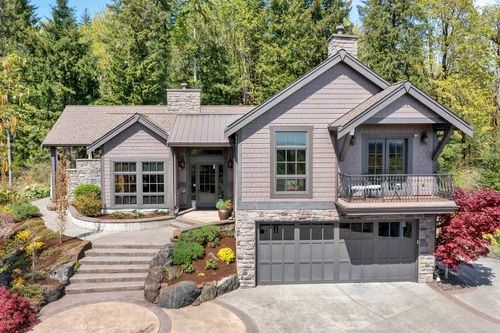
Luxury custom estate exterior
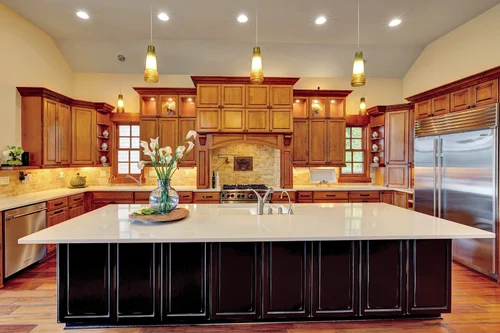
Chef's kitchen with luxury finishes
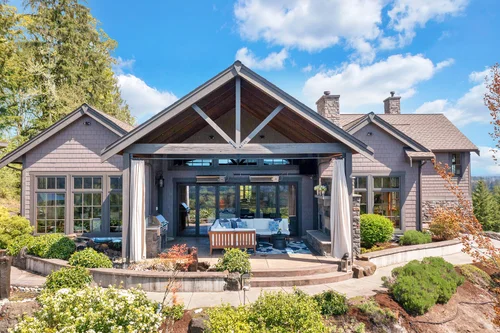
Entertainer's outdoor living space
The Challenge:
A custom builder in Olympia, WA (median home price $525K) needed to sell his personal dream home—a $2.1M luxury estate in a gated community. The property priced 400% above the local market median, targeting the top 1-5% of income earners in a slower, non-luxury market.
Why Not a Local Olympia Agent?
Despite dozens of qualified local agents, the builder chose Freddy Delgadillo and Realogics Sotheby's International Realty for three critical reasons:
- Sotheby's Brand Power: Global luxury positioning that local brokerages can't match
- High-Net-Worth Buyer Network: Access to Seattle Eastside executives and out-of-state luxury buyers
- Professional Marketing: Photography, videography, social media, and luxury presentation exceeding local standards
✅ The Result:
Sold in 30 days to an out-of-state buyer with local family connections—exactly the buyer profile that required broader reach beyond Olympia's traditional market. The builder was ecstatic and immediately planned his next project with Freddy's representation.
The Mercer Island Application:
Just as Olympia luxury required reaching beyond the local market, Mercer Island's $8M-$28.5M+ waterfront estates need exposure to dual-income tech executives, California relocators seeking top schools, and international buyers seeking island privacy. Sotheby's global reach combined with island expertise delivers results that island-only representation cannot match—particularly for the 18 waterfront properties that trade annually in this scarcity-driven market.
Ready to Explore Mercer Island Waterfront?
Whether you're beginning your waterfront search or ready to view specific properties, I'm here to provide strategic guidance without sales pressure. Let's discuss your priorities, compare market options, and develop a purchase strategy aligned with your family's needs.
Contact Freddy Delgadillo
Realogics Sotheby's International Realty
Direct: 425-941-8688
Email: Freddy@JudahRealty.com
www.JudahRealty.com
2024 Mercer Island Waterfront Market Highlights
Understanding recent sales performance helps buyers make informed decisions. Here are the top Mercer Island waterfront transactions from 2024, demonstrating the market's strength and diversity.
7002 N Mercer Way
North End Estate • 1.2 acres • 150+ ft frontage • Private dock • Seattle skyline views
Highest Mercer Island waterfront sale on record
1841 W Mercer Way
Gold Coast Location • West-facing sunset views • Luxury finishes • Premium waterfront
Gold Coast prestige pricing
5045 Forest Avenue SE
Sold off-market • Discreet transaction • Premium waterfront estate • Strategic sale
Example of pocket listing opportunity
Access Off-Market & Coming Soon Opportunities
Many of Mercer Island's best waterfront properties sell off-market before public listing—like the $15.2M Forest Avenue sale above. My Sotheby's International Realty network and 25+ years of island relationships provide early access to these exclusive opportunities.
Why Sellers Choose Off-Market Sales:
- Privacy and discretion (no public marketing, open houses, or online exposure)
- Limited buyer traffic (qualified buyers only, reducing disruption)
- Faster timelines (targeted outreach to ready buyers)
- Control over terms (negotiate directly without competitive bidding pressure)
Contact me to discuss upcoming listings before they hit the market. Many waterfront sellers test the waters privately with trusted agents before committing to full MLS exposure. Get first-look access to these opportunities.
View Current Active Listings
Browse publicly available Mercer Island waterfront properties on the market today. For the full picture—including pocket listings and coming soon opportunities—contact me directly.
View All Mercer Island Waterfront ListingsBegin Your Mercer Island Waterfront Journey
Mercer Island waterfront represents one of the Pacific Northwest's most compelling residential opportunities—where island privacy meets metropolitan access, where top-ranked schools eliminate private tuition burdens, and where scarcity-driven appreciation protects long-term investment value. Whether you're relocating from California tech hubs, upgrading from Seattle condos, or seeking international real estate investment, the island's unique combination of lifestyle advantages and market fundamentals deserves serious consideration.
The decision to purchase waterfront real estate ranks among life's most significant financial and lifestyle choices. You deserve guidance from an expert who understands not just property values and market trends, but the nuanced lifestyle trade-offs between Gold Coast prestige and South End community, the strategic implications of dock rights and beach access, and the honest comparison framework for evaluating Mercer Island against alternative Eastside markets.
I've dedicated my 25+ year career to helping families navigate these complex decisions with confidence. My approach prioritizes your interests over quick transactions, provides unbiased multi-market perspective over inventory-driven recommendations, and delivers the specialized waterfront expertise that transforms overwhelming options into clear strategic choices.
Let's begin with a no-pressure conversation about your priorities, timeline, and objectives. I'll share current market intelligence, discuss available inventory (including off-market opportunities), and help you determine whether Mercer Island waterfront aligns with your family's needs—or whether alternative markets might serve you better. The consultation costs nothing but your time and could save you from expensive mistakes or reveal opportunities you didn't know existed.
Schedule Your Mercer Island Waterfront Consultation
Contact me today to discuss your waterfront goals, explore current listings, or learn about off-market opportunities. I'm here to provide expert guidance without sales pressure.
Freddy Delgadillo
Certified Luxury Home Marketing Specialist (CLHMS)
Realogics Sotheby's International Realty
Direct: 425-941-8688 | Email: Freddy@JudahRealty.com
Explore More Eastside Waterfront Markets:
Eastside Waterfront Overview |
Bellevue Waterfront |
Kirkland Waterfront |
Lake Sammamish |
Medina & Four Points
© 2025 Freddy Delgadillo | Realogics Sotheby's International Realty. All waterfront market data sourced from official 2025 Realogics Sotheby's Waterfront Market Report. Information deemed reliable but not guaranteed. Buyers should conduct independent due diligence.