
Eastside Waterfront Shoreline Setbacks & Remodel Regulations
⚓ Eastside Waterfront Series · Post 11 of 12
A year-long authority campaign covering every dimension of Eastside waterfront real estate. View the full series →
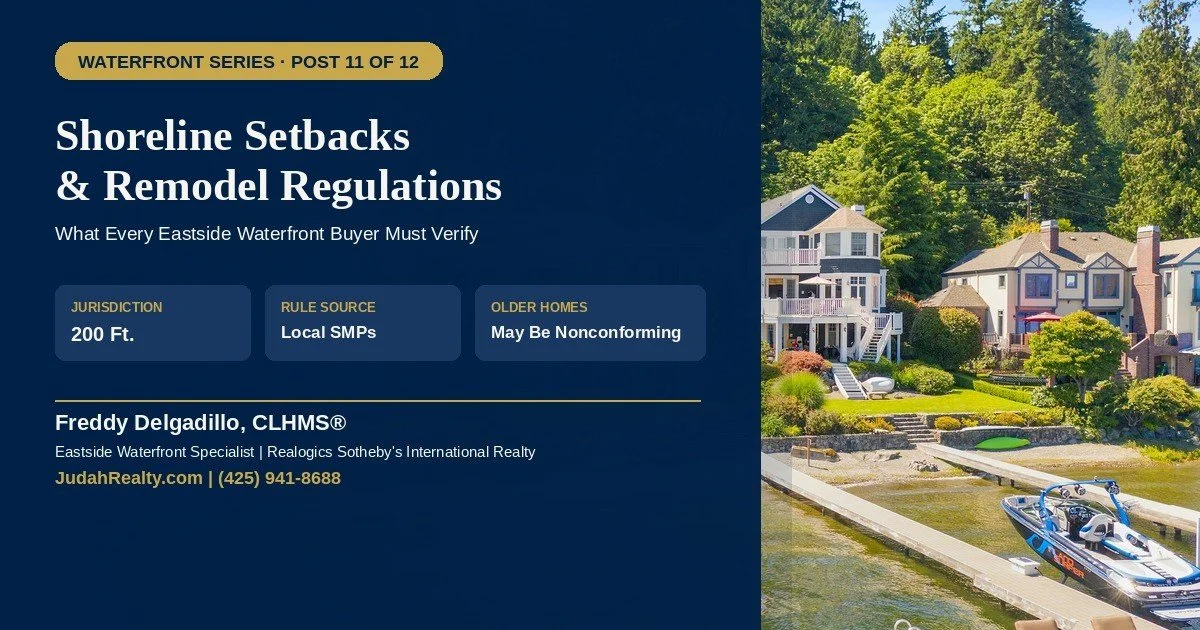
Shoreline setbacks on the Eastside aren't set by one statewide rule — they're set locally. Washington's Shoreline Management Act requires every city bordering Lake Washington or Lake Sammamish to maintain its own Shoreline Master Program, meaning Bellevue, Kirkland, Mercer Island, and Medina can each have different setback distances, buffer requirements, and remodel rules along the same lake. Shoreline jurisdiction generally extends 200 feet landward from the water, and many older waterfront homes are legal nonconforming structures that face real restrictions if you plan to expand, substantially remodel, or rebuild them.
Why This Matters More Than Most Buyers Realize
Post 10 of this series covered dock rights and permitting — the question of what you can build into the water. This post covers a question that catches even more buyers off guard: what you can build, rebuild, or expand on the land itself near the water's edge. I've seen buyers fall in love with a waterfront property specifically because of its renovation or expansion potential, only to discover during due diligence that the home's existing footprint is legally nonconforming — meaning today's rules wouldn't allow that exact structure to be built again. That doesn't mean the home isn't a good purchase. It means the buyer needs to understand precisely what they can and can't do with it before they own it, not after.
The Regulatory Framework: State Law, Local Control
Washington's Shoreline Management Act (passed in 1971 and adopted by voters in 1972) governs development along the state's shorelines, including lakes of 20 acres or larger — a threshold both Lake Washington and Lake Sammamish clear easily. The Act's stated purpose is preventing "uncoordinated and piecemeal development" of Washington's shorelines, and it's administered jointly by the Washington State Department of Ecology and local governments. Critically, the Act does not set one uniform setback distance for the entire state. Instead, it requires every county and city with a qualifying shoreline to adopt its own Shoreline Master Program (SMP) — a locally tailored set of policies and regulations that Ecology reviews and approves, but that each city writes and administers itself. This is why Bellevue, Kirkland, Mercer Island, and Medina can each have genuinely different rules along the very same lake. Shoreline jurisdiction under the Act generally extends 200 feet landward from the ordinary high-water mark — an area called "shorelands." Nearly any new construction, exterior alteration of an existing structure, or shoreline stabilization work (like a bulkhead) within that 200-foot zone typically requires shoreline permit review, in addition to standard city building permits.
Legal Nonconforming Structures: The Issue Most Buyers Miss
Many Eastside waterfront homes were built decades ago, before current SMPs were adopted or updated. These homes are often legal nonconforming structures — meaning they were legally built under the rules that existed at the time, but wouldn't be permitted if built fresh under today's rules. Nonconforming status generally allows a homeowner to keep living in and maintaining the home as-is. Where it becomes a real constraint is the moment an owner wants to substantially remodel, expand, or rebuild after significant damage. Depending on the specific city's SMP, this can mean:
- An addition may need to be built further from the water than the original structure, effectively shrinking the usable footprint
- A full rebuild after fire, flood, or major damage may not be allowed to reconstruct the original footprint if it no longer meets current setback rules
- Some remodels below a certain scope may be exempt from full shoreline review, while larger ones trigger it entirely — and that threshold varies by jurisdiction
Shoreline Variances: Possible, But Not Guaranteed
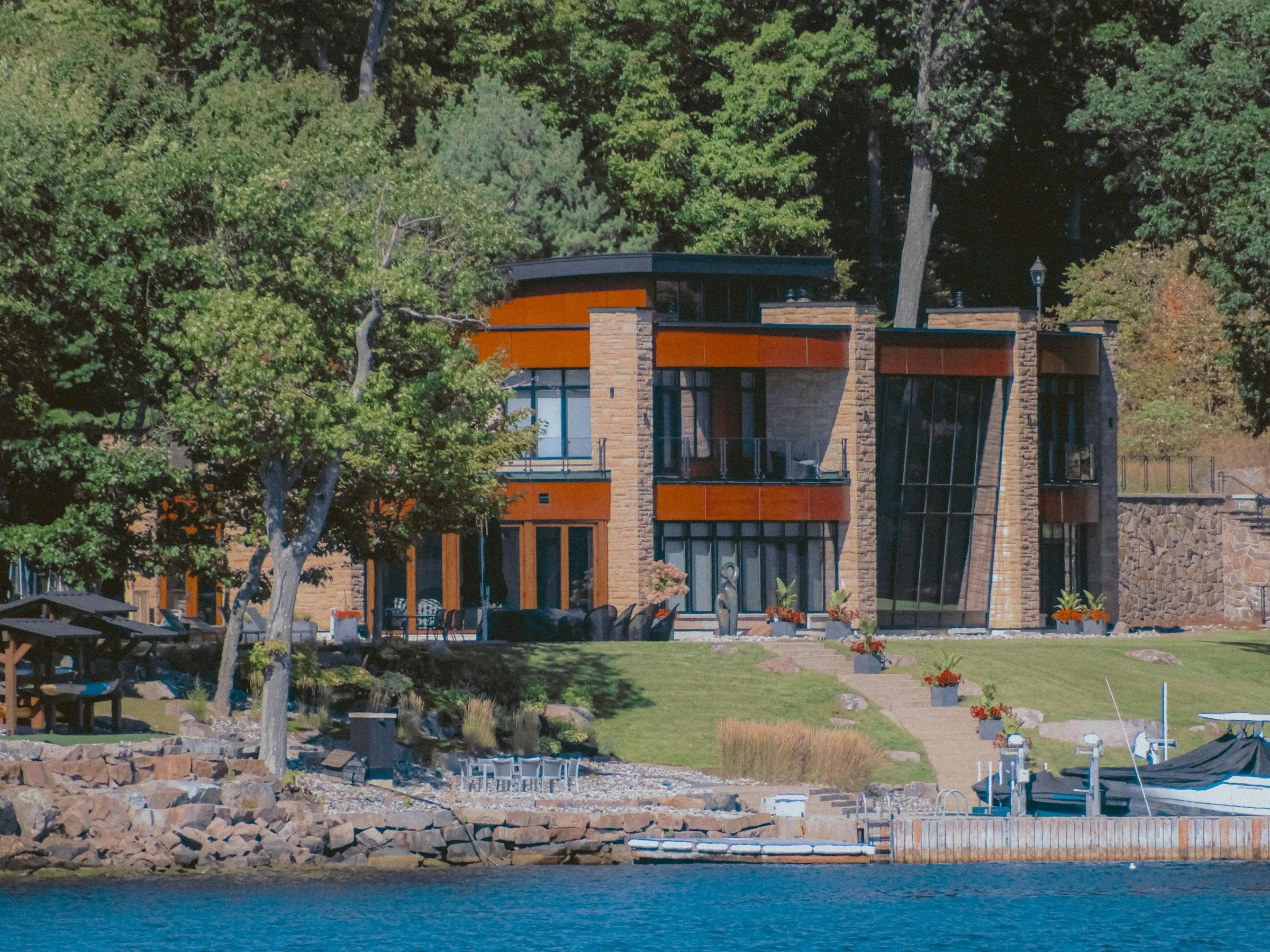
When a property's specific physical characteristics make strict setback compliance genuinely unworkable, owners can apply for a shoreline variance — a formal exception to standard rules. But Washington law is clear that a variance is not a right. Case law establishes that the burden of proof sits entirely with the applicant, who must demonstrate that the property's own physical circumstances — not personal preference or financial considerations — create extraordinary hardship. Local governments cannot grant a variance simply because a buyer wants more square footage or a better view. For buyers evaluating a lot's build potential, the safest assumption is that a variance will not be granted, and that any development plan should be built around what's allowed as-of-right under the local SMP. If a favorable variance later gets approved, treat it as upside — not as the foundation of your purchase decision.
What This Means by Eastside Market
| Market | Key Consideration |
|---|---|
| Mercer Island | Many original mid-century waterfront homes are nonconforming; expansion plans should be evaluated with the city's planning department before purchase, not after. |
| Bellevue (Meydenbauer Bay, Clyde Hill) | Higher-density urban waterfront can mean stricter buffer enforcement near Meydenbauer Bay Park's public shoreline segments specifically. |
| Kirkland (Moss Bay, Juanita) | Downtown Moss Bay parcels are often smaller and older, raising the odds a desired remodel intersects nonconforming-structure rules. |
| Medina & Four Points | Large lot sizes generally provide more flexibility to build within current setbacks, but compound-scale projects still require full SMP review given the scale involved. |
General patterns for buyer awareness only. Every parcel is regulated individually — always confirm exact setback, buffer, and nonconforming status directly with the relevant city's planning or permitting department before assuming any renovation scope is possible.
Due Diligence Checklist Before You Buy for Renovation Potential
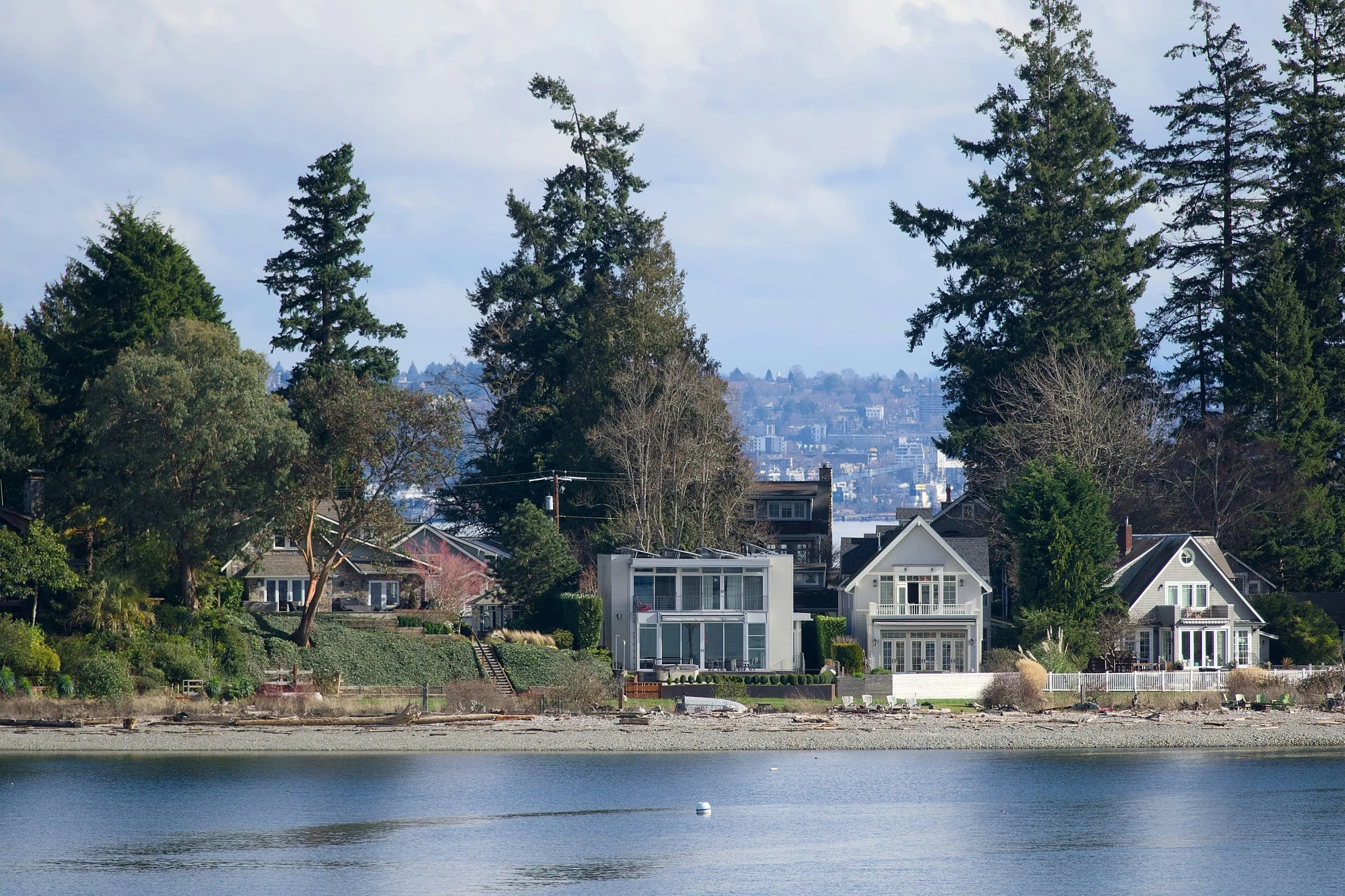
- Confirm whether the existing structure is legal nonconforming, and if so, exactly what that limits
- Request the property's permit history from the city — including any past variance applications, approved or denied
- Ask the city's planning department directly what scope of remodel would trigger full shoreline review versus a minor exemption
- If your plans depend on rebuilding at or near the existing footprint, get that confirmed in writing before waiving inspection contingencies
- Never treat a variance as likely — evaluate the property's value based on what's allowed as-of-right
Shoreline Setbacks & Remodel FAQ
What is a shoreline setback and why does it matter for Eastside waterfront homes?
A shoreline setback is the minimum distance a structure must be built from the ordinary high-water mark of a lake or other regulated shoreline. On the Eastside, Lake Washington and Lake Sammamish both fall under Washington's Shoreline Management Act, meaning every city bordering them must enforce a locally adopted Shoreline Master Program that sets these distances. Setbacks directly determine how large a home can be, where it can sit on the lot, and whether an existing structure can be expanded.
Can I rebuild or expand an existing waterfront home that's closer to the water than current rules allow?
Many older Eastside waterfront homes were built before current setback rules took effect and are considered legal nonconforming structures. These homes can generally remain as-is, but expanding, substantially remodeling, or rebuilding after major damage typically triggers current shoreline regulations, and in some cases a home cannot be rebuilt at its original footprint if that footprint no longer meets code. Rules vary significantly by jurisdiction, so this must be verified with the specific city's planning department before purchase.
Does every Eastside city have the same shoreline regulations?
No. Washington's Shoreline Management Act requires each city and county with a qualifying shoreline to adopt its own locally tailored Shoreline Master Program. Bellevue, Kirkland, Mercer Island, and Medina each maintain separate SMPs, meaning setback distances, buffer requirements, and permitted uses can differ meaningfully between neighboring waterfront cities, even along the same lake.
What is a shoreline variance and how hard is it to get one?
A shoreline variance is an exception to standard setback or buffer rules, granted only when strict application of the rule would deny reasonable use of a property due to the lot's specific physical characteristics. Washington case law establishes that variances are not a right and require the applicant to prove extraordinary circumstances; personal preference or financial hardship alone does not qualify. Buyers should never assume a variance will be approved when evaluating a property's remodel potential.
How far back from Lake Washington does shoreline jurisdiction extend?
Under Washington's Shoreline Management Act, shoreline jurisdiction generally extends 200 feet landward from the ordinary high-water mark, an area referred to as shorelands. Any new construction, exterior alteration, or shoreline stabilization work within that 200-foot zone is typically subject to local Shoreline Master Program review, in addition to standard building permits.
🏆 500+ Eastside Transactions · 🎓 CLHMS · CRS · ABR · GRI · CSP
⭐ 425 Magazine & Seattle Times Featured · 🌐 Bilingual English/Spanish

Renovation Potential Should Be Verified, Not Assumed
If you're evaluating an Eastside waterfront property specifically for its expansion or rebuild potential, I can help you understand exactly what a city's Shoreline Master Program allows before you write an offer — not after.
25+ years navigating these exact questions across every Eastside waterfront market.
📞 (425) 941-8688 ·
✉ freddy@judahrealty.com
10237 Main Street, Bellevue, WA 98004